Root canals
Save an infected tooth with a root canal. Right here in downtown Barrington.
A root canal removes the infected nerve from inside a tooth so you can keep it, and it often ends the pain right away. Dr. Amar Pattani does it in our office.
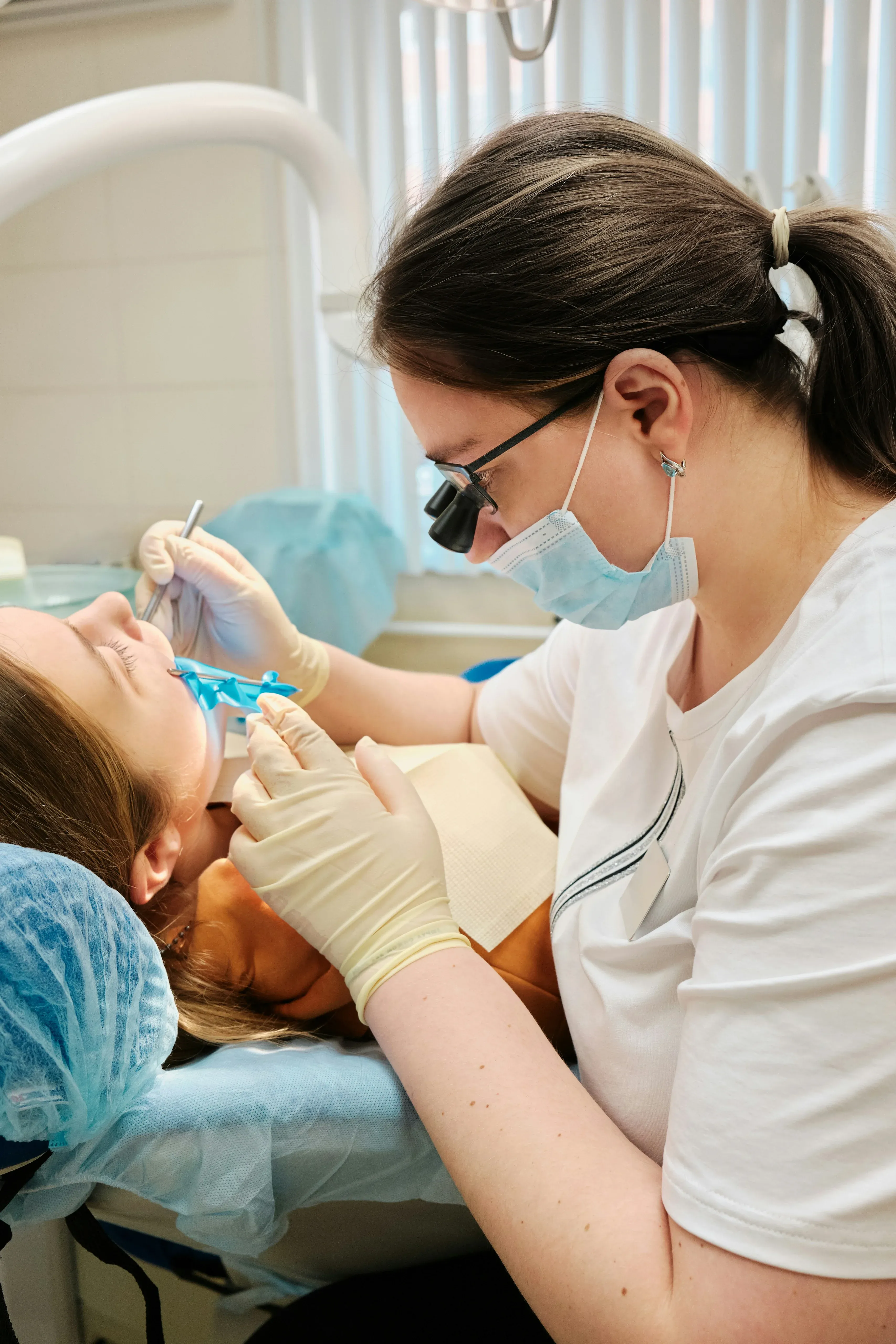
Why patients choose Main Street Smiles for root canals
Front and back teeth
We treat front and back teeth, right here in our office.
Advanced training
Dr. Pattani has advanced training in root canals.
Out of pain sooner
We can often get you out of pain right away.
Calm if you’re anxious
Nitrous oxide or oral sedation to take the edge off, if you need it.
What is a root canal?
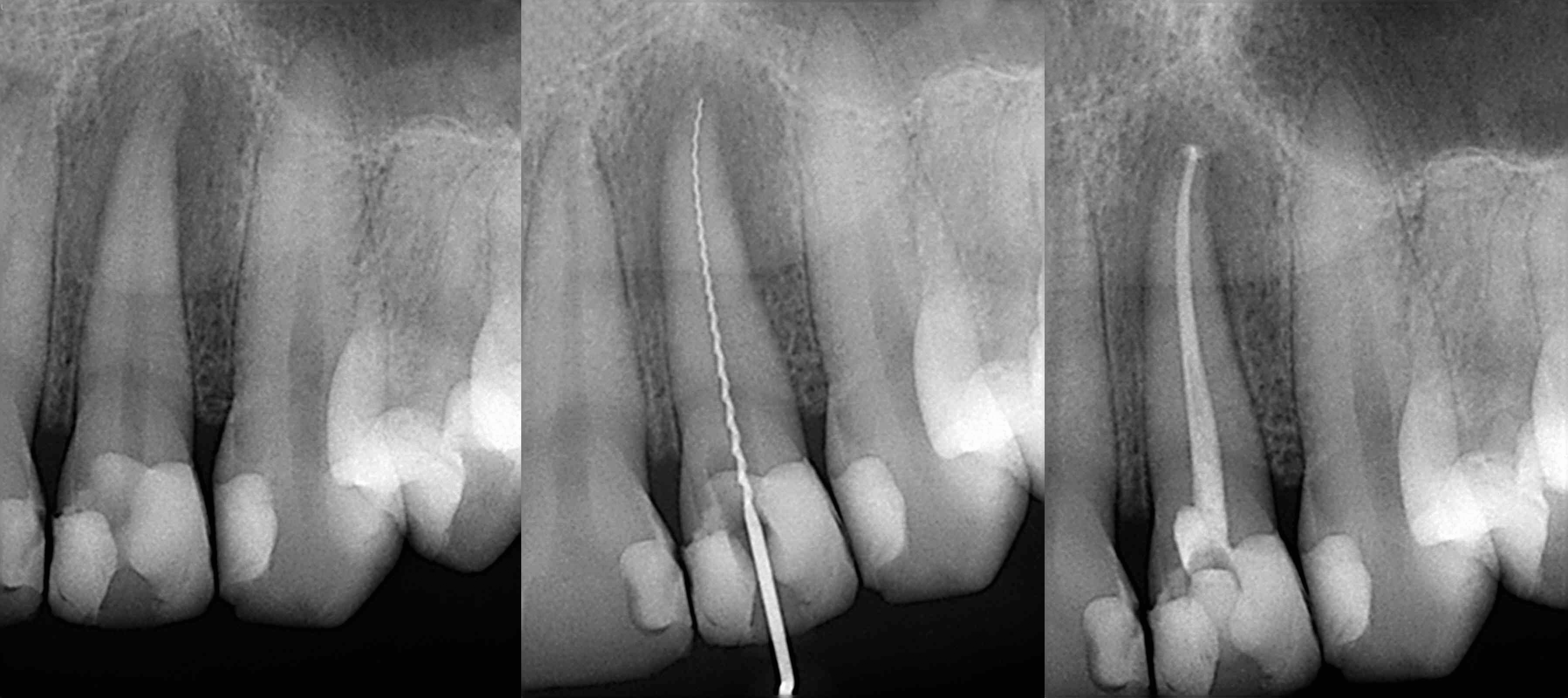
A root canal removes the infected or dying nerve from inside a tooth, cleans the space and seals it with a rubber-like material called gutta‑percha.
It saves a tooth that would otherwise have to come out, and a crown usually follows to protect it.
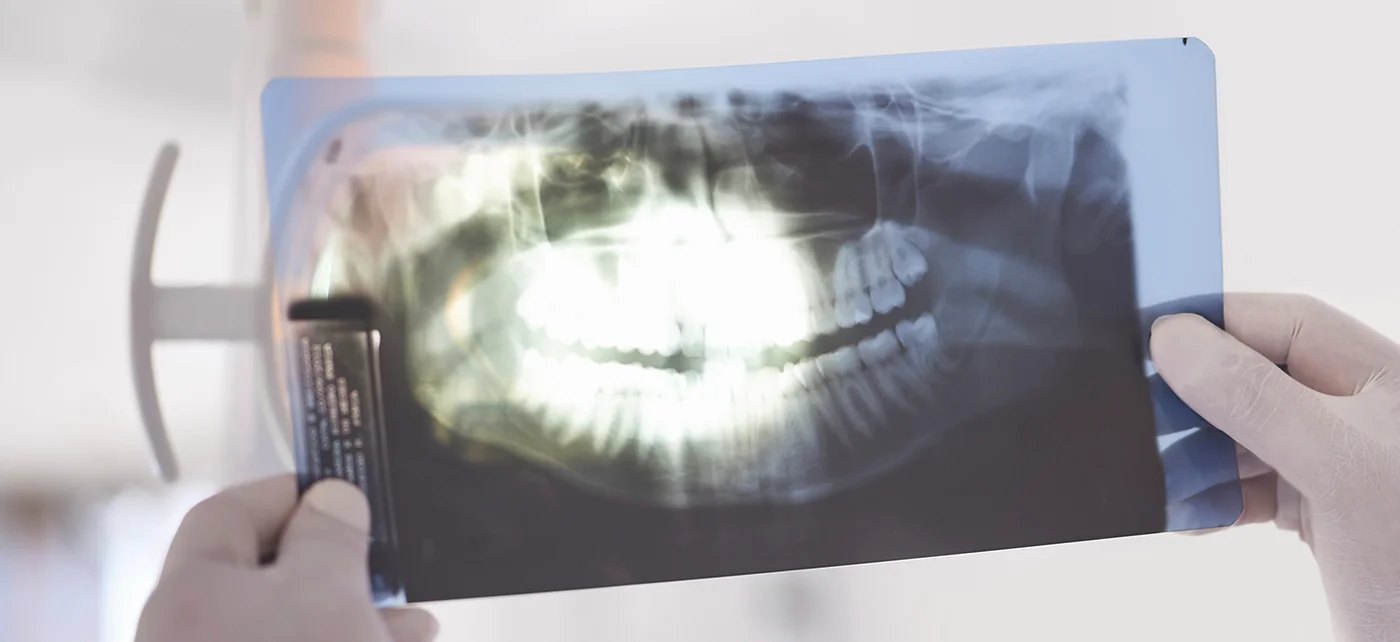
A tooth that can’t be saved
When a root canal isn’t an option
If a tooth is too damaged to save, we take it out in our office and plan the gap with you first.
Learn more about extractions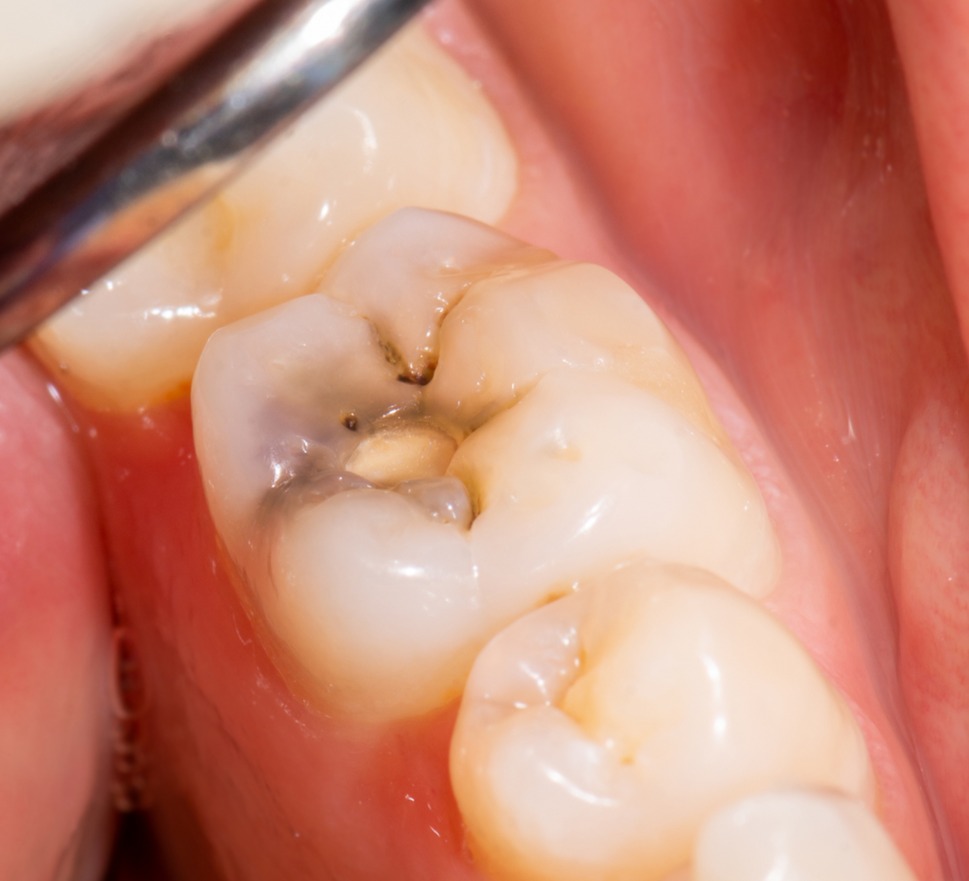
A cavity caught early
Before decay reaches the nerve
Deep decay is one way a nerve gets infected. A tooth‑colored filling fixes a cavity while most of the tooth is still strong.
Learn more about fillings
Pain or swelling right now
When it can’t wait
We keep same‑day spots open for patients in pain, so call us as early as you can.
Learn more about emergency care“Everybody is so nice. I got a root canal, the doctor is very professional, I didn’t feel any pain. Excellent doctor.”
How does a root canal work, step by step?
A root canal takes five steps, from finding the cause of the pain to the crown that protects the tooth afterward.
Find the cause
First visit. An exam and X‑rays show which tooth is the problem, and why.
Talk it through
Before we start. We explain your options and plan the crown that protects the tooth with you.
Numb and calm
Treatment day. The tooth is numbed first, with nitrous oxide or oral sedation if you want it.
Treat the root
Treatment day. We remove the nerve, clean inside the tooth and seal it with gutta‑percha.
Protect it
Afterward. A crown usually follows, since a treated tooth can be more brittle.
Is a root canal right for you?
A root canal is right for you when a tooth’s nerve is infected or dying but the tooth itself can still be saved. These are the questions we hear most when patients are deciding.
Should I save the tooth or have it pulled?
Saving the tooth with a root canal is usually the better choice when it can be saved.
A root canal is one of only two ways to treat an infected or abscessed tooth. The other is taking it out. Keeping your own tooth means there’s no gap to fill afterward. If it can’t be saved, we plan what comes next with you.
What are the signs I might need a root canal?
A root canal is often needed when a toothache lingers or wakes you up at night.
Swelling in the gum or face near a tooth, sensitivity that lasts long after something hot or cold, or a tooth turning gray or dark can also mean the nerve is in trouble. The sooner we see it, the more of the tooth we can keep.
Will my tooth need a crown afterward?
Usually, yes: a crown follows most root canals.
A treated tooth can be more brittle, so a crown protects it. We plan the crown with you at the same time as the root canal. Read more about our restorative care.
Can a front tooth have a root canal?
Yes, a root canal can treat a front tooth or a back tooth.
We treat front and back teeth right here in our office. An exam and X‑rays show which tooth is the problem first.
Can I wait and see if the pain goes away?
Waiting on a root canal usually isn’t a good idea, because an infected tooth doesn’t heal on its own.
Left untreated, the infection can spread to the tissue around the root and form an abscess, and it can cost you the tooth. Swelling in the gum or face is a sign to call soon. For pain right now, see emergency dental care.
What if I’m nervous about a root canal?
A root canal starts with numbing, and sedation is there if you want it.
The tooth is numbed before we start. If you’re nervous, nitrous oxide or oral sedation, a prescribed calming medication such as Valium or Halcion, can take the edge off. With oral sedation, bring someone to drive you home.
What is recovery like after a root canal?
Recovery from a root canal is usually quick: most people feel better within a few days. Here’s what to expect until your crown is on.
The first few days
The tooth and the area around it can feel tender for a few days. We’ll tell you what to take for any soreness.
What to eat
Stick to soft foods, and chew on the other side until your crown is on.
Protect the tooth
A crown usually follows, since a treated tooth can be more brittle.
After sedation
If you have oral sedation, bring someone to drive you home and take it easy that day.
When to call us
If pain or swelling gets worse after a few days, or a temporary filling comes loose. (847) 381-5958
Compare your choices
Saving an infected tooth: root canal, implant or extraction?
For an infected tooth that can be saved, a root canal with a crown keeps your own tooth, and its root keeps the bone in shape.
An extraction with an implant replaces a tooth that can’t be saved. An extraction alone is quickest, but it leaves a gap unless the tooth is replaced.
| Feature | Root canal + crown | Extraction + implant | Extraction only |
|---|---|---|---|
| Your tooth | Kept, nerve removed | Replaced by an implant | Taken out |
| What follows | A crown, usually | Healing, then the implant | Healing |
| Time to finish | Root canal, then a crown | Usually a few months | Just the healing time |
| The bone | Root keeps it in shape | Implant helps protect it | Can shrink over time |
| Feels like | Your own tooth | A natural tooth | A gap, unless replaced |
| Best for | A tooth worth saving | A tooth that can’t be saved | Wisdom teeth |
How much does a root canal cost?
The cost of a root canal depends on the tooth and whether it needs a crown afterward. We go over your cost with you before any treatment starts.
Your root canal questions
Not on the list? Ask, and get an answer right here.
Is a root canal painful?
A root canal is done with the tooth numbed, so you feel pressure rather than pain, and it often ends the pain an infected tooth was causing. The tooth can feel tender for a few days afterward.
How long does a root canal take?
A root canal usually takes one or two visits, and a crown usually follows to protect the tooth. Your exam and X‑rays show what your tooth needs, and we go over the plan with you first.
How long does a tooth last after a root canal?
A tooth treated with a root canal can last a lifetime with good care, and most root canals are successful. Brush twice a day, clean between your teeth daily and keep up your checkups.
What is gutta-percha?
Gutta‑percha is the rubber-like material a root canal uses to fill and seal the inside of the tooth after the nerve is removed. It seals the tooth against future infection.
Will I need antibiotics after a root canal?
Antibiotics after a root canal are needed only sometimes, if the infection has spread. If you need them, we’ll prescribe them and explain how to take them.
What if my tooth hurts right now?
If you may need a root canal and the tooth hurts right now, call us as early as you can: we keep same‑day spots open for patients in pain. Read more about emergency dental care.
What does a root canal cost at Main Street Smiles?
The cost of a root canal at Main Street Smiles depends on the tooth and whether it needs a crown afterward. We go over your cost with you before any treatment starts.
Does insurance pay for a root canal?
Insurance coverage for a root canal depends on your plan. Your benefits still apply, and we submit the claim for you. No insurance? Ask about our dental plans.
Reviewed by Dr. Amar Pattani, DDS, owner and lead dentist · Updated · Meet the team
Sources: American Dental Association (MouthHealthy): root canals; Cleveland Clinic: root canal.
Let’s save that tooth.
Your visit starts with an exam and X‑rays, a look at every option, and a plan for what comes next, before any treatment starts. New to Main Street Smiles? Contact us with any questions first.