Dental crowns
Protect a damaged tooth with a natural‑looking crown. Right here in downtown Barrington.
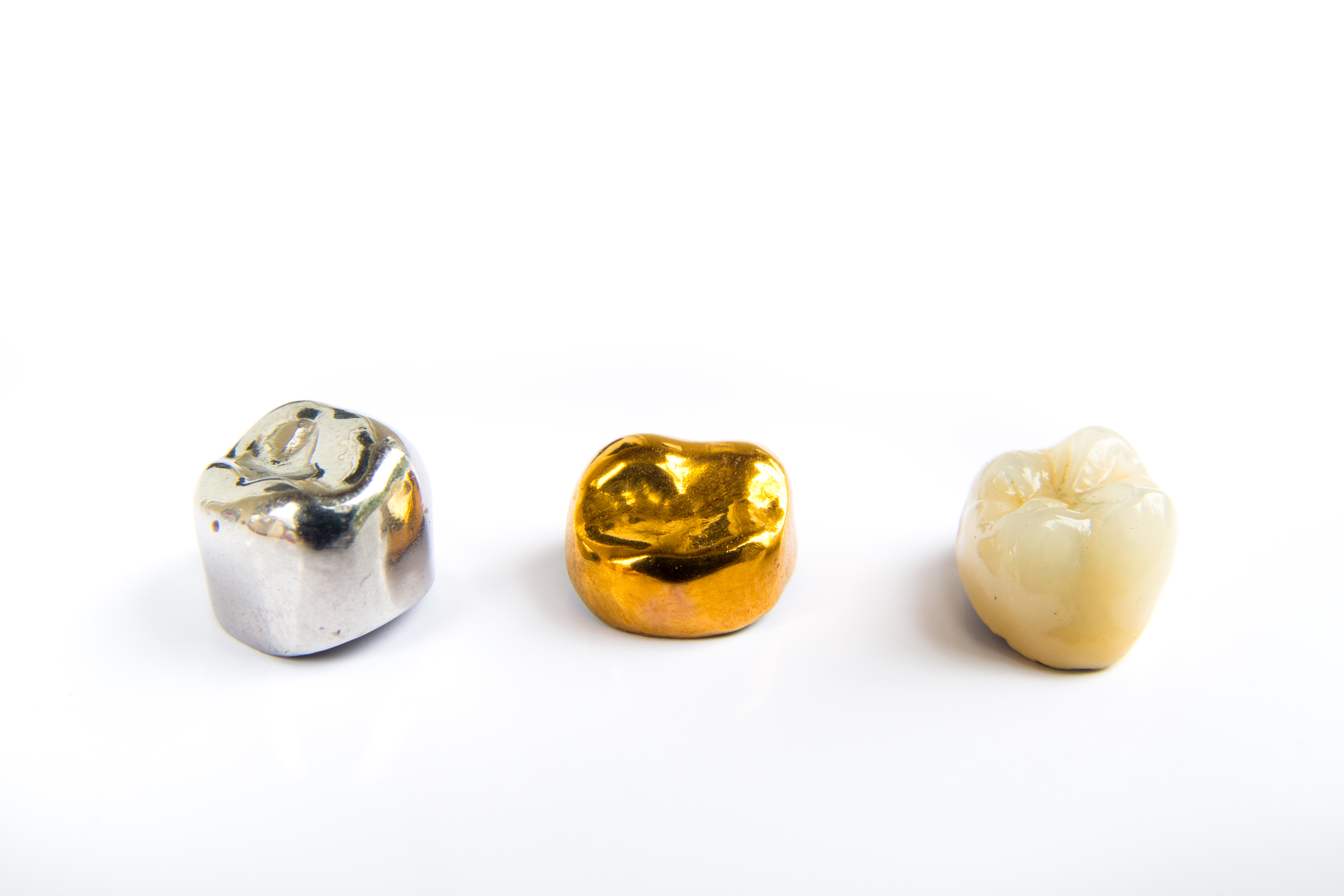
A dental crown covers and protects a cracked, worn or weak tooth, so you can chew comfortably again. Dr. Amar Pattani makes yours to blend in with the teeth around it.
Why patients choose Main Street Smiles for dental crowns
Natural‑looking crowns
Durable crowns made to blend in with the teeth around them.
A close look first
X‑rays and a 3D scan show how much tooth is left before anything is decided.
Honest options
If a filling or bonding will do, we’ll tell you. Every option comes with the cost first.
Insurance claims filed
We accept all PPO plans and submit the claim for you, so your benefits still apply.
What is a dental crown?
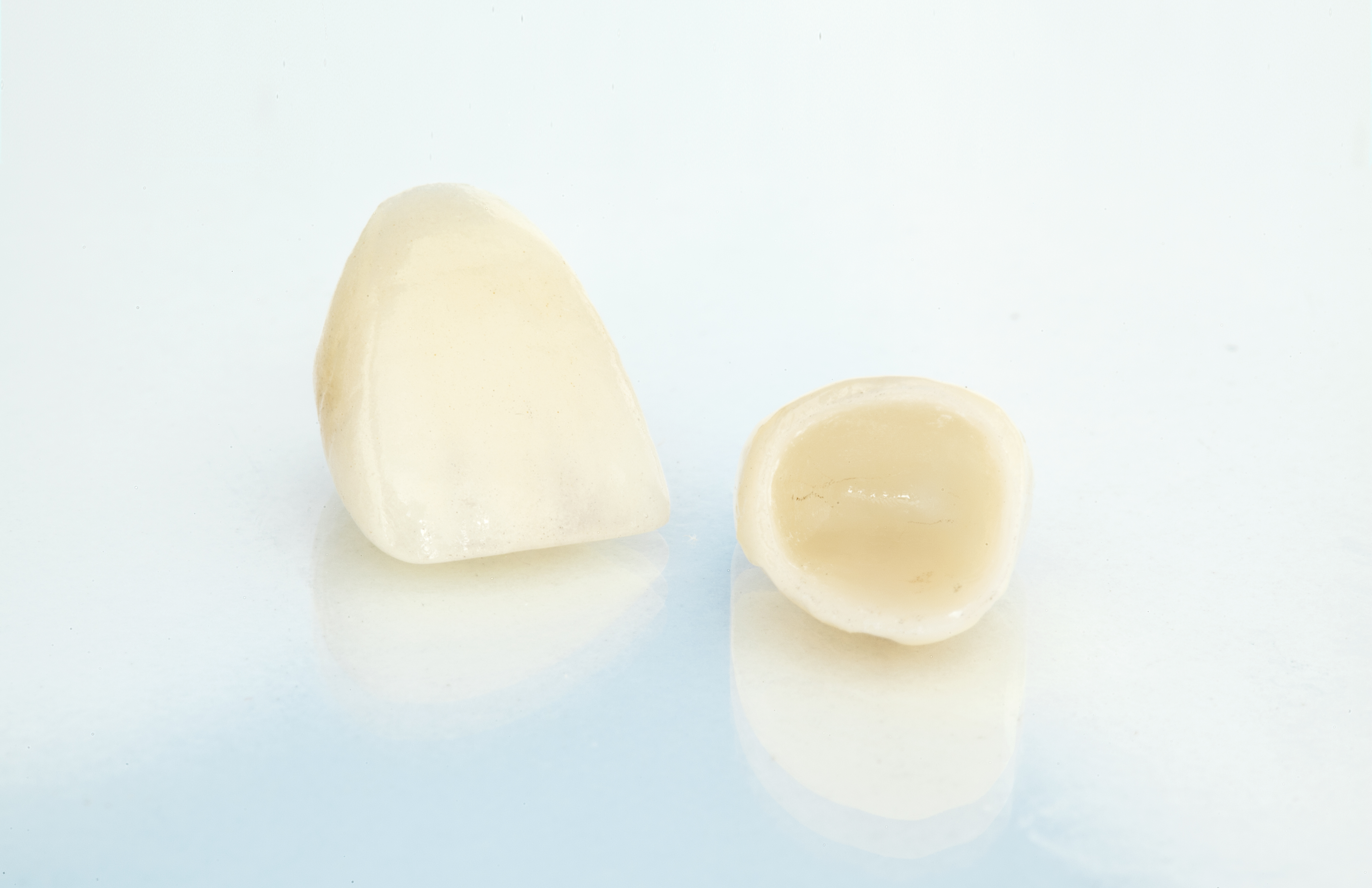
A dental crown is a tooth‑shaped cap that covers a cracked, worn or weak tooth all the way to the gumline.
It restores the tooth’s shape and strength, so you can chew normally again, and it’s shaded to blend in with the teeth around it.
A tooth that’s had a root canal
When the tooth needs protecting
A tooth that needed a root canal can be more brittle, so a crown usually follows to protect it.
Learn more about root canals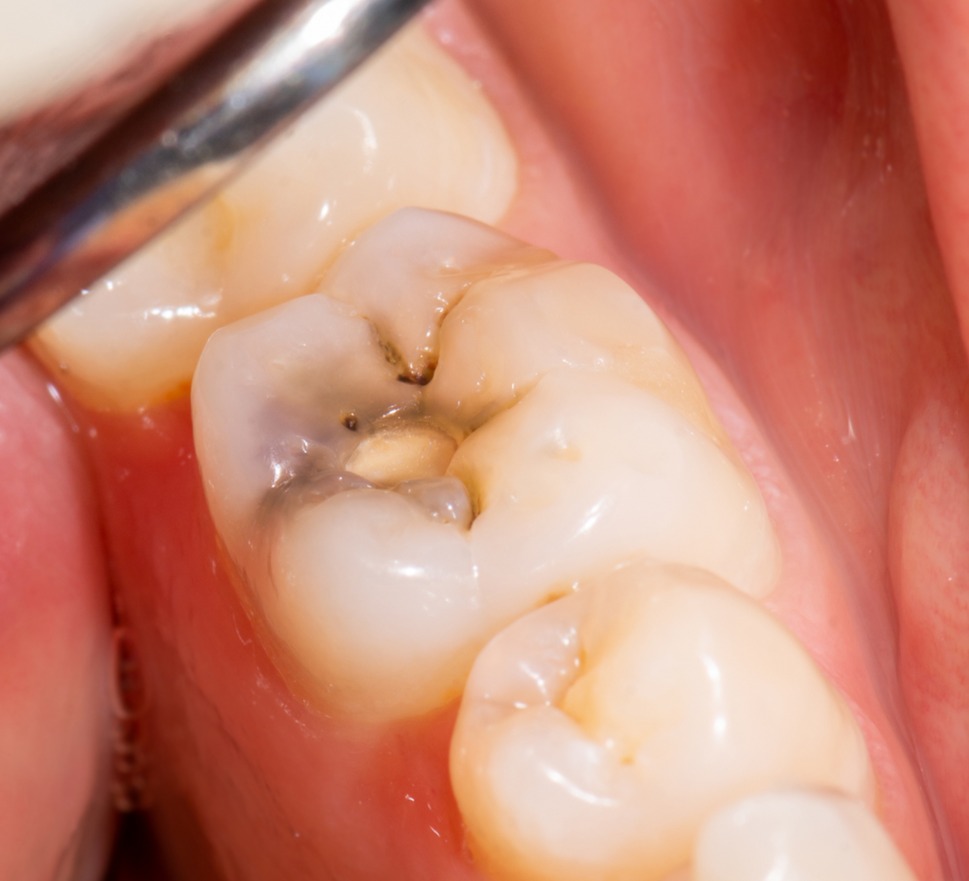
A smaller cavity
When most of the tooth is strong
A tooth‑colored filling repairs a cavity while most of the tooth is still strong, usually in one visit.
Learn more about fillings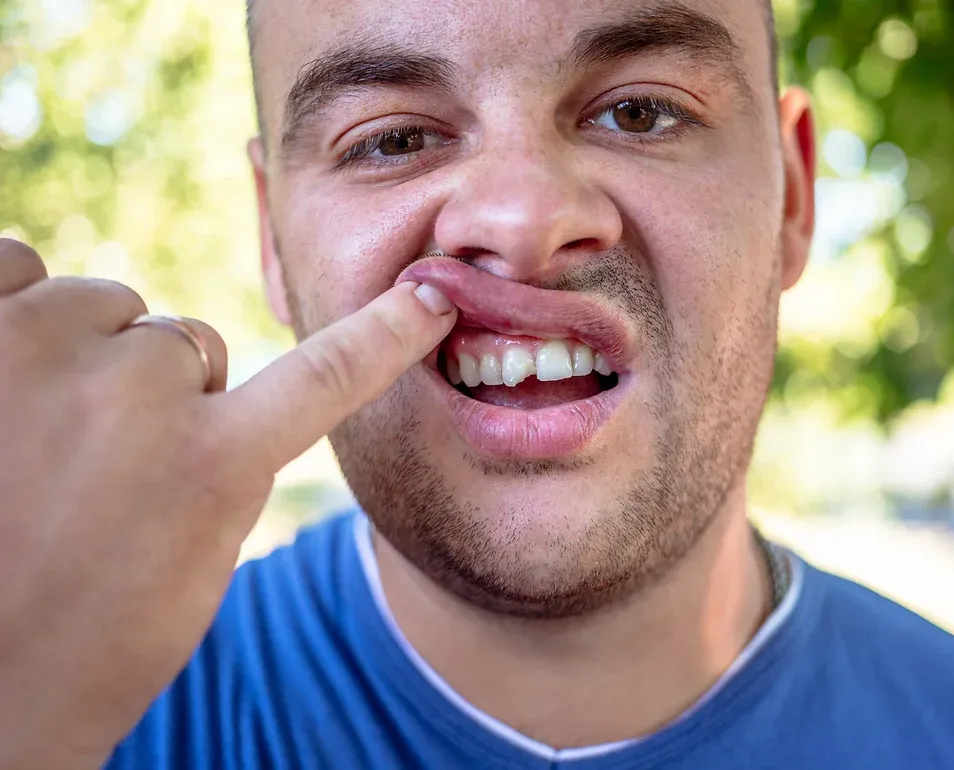
A small chip on a front tooth
When the damage is minor
Many small chips can be repaired with color‑matched bonding, often in a single visit, without a crown.
Learn more about bonding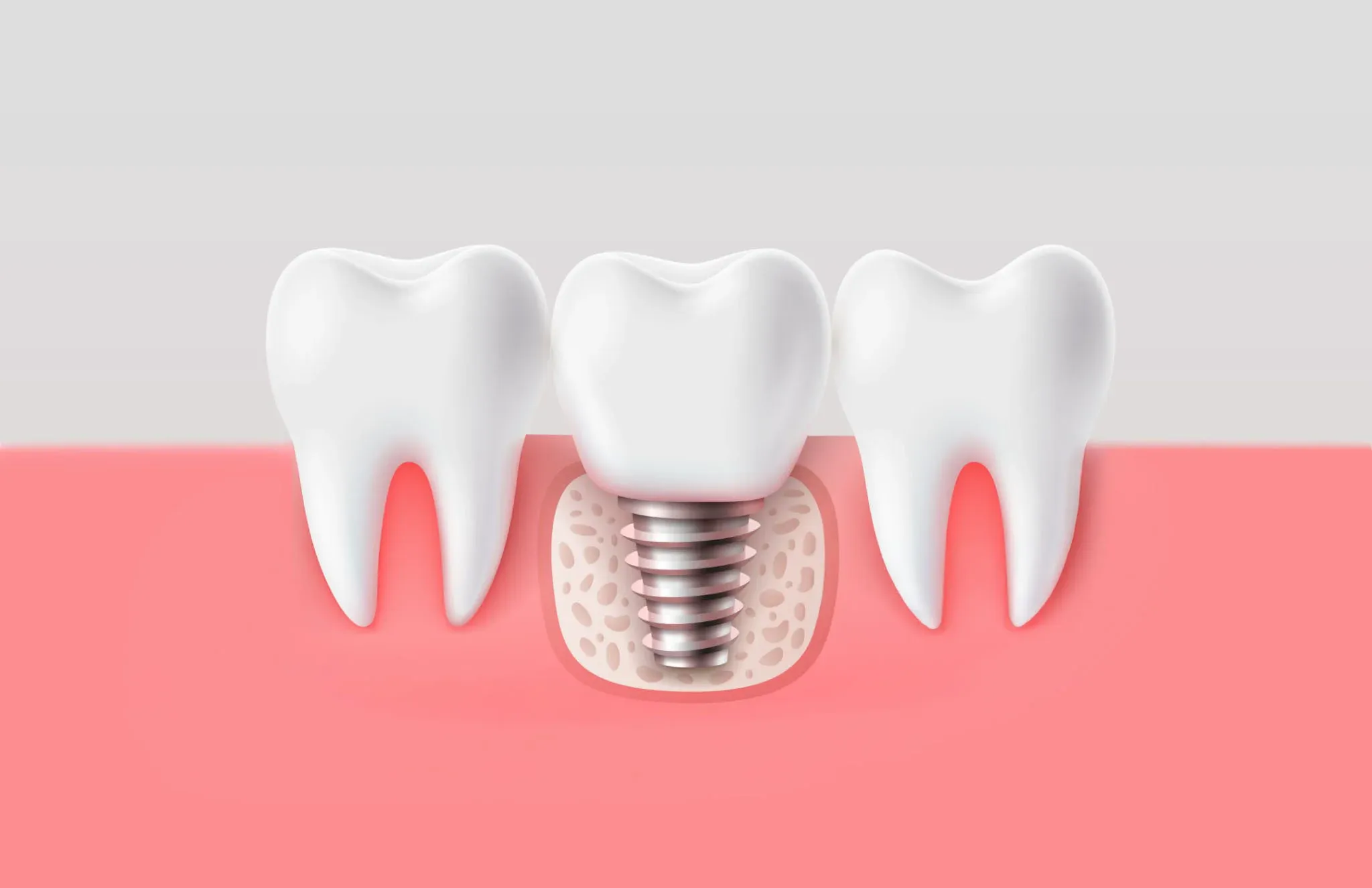
A tooth that can’t be saved
When there isn’t enough tooth left
If a tooth is too damaged for a crown, it may need to come out. An implant with its own crown can replace it.
Learn more about single implants“My crown fell off. I called the office & they were able to fit me in to recement my crown back in place.”
How does getting a dental crown work, step by step?
Getting a dental crown takes five steps, from a close look at the tooth to a crown that’s fitted to your bite. Your treatment plan tells you how many visits to expect.
Your exam
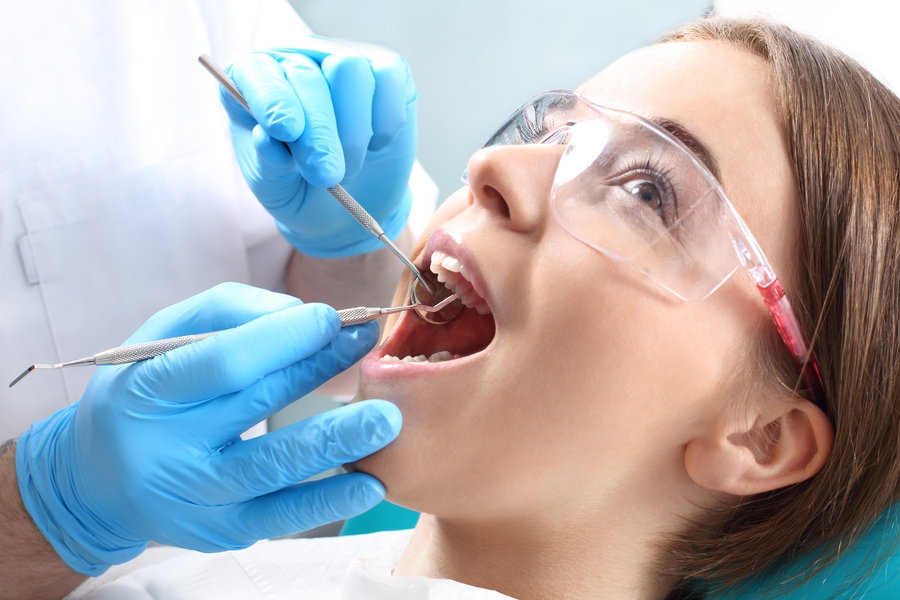
First visit. We listen first, then look closely with X‑rays and a 3D scan to see how much tooth is left.
Your options
Before anything starts. Each option in plain words, how long it takes and the cost. Nothing is decided on the spot.
Shape the tooth
Crown visit. The tooth is numbed, any decay is removed, and the tooth is shaped so the crown fits over it.
Fit and polish
Final fit. Your crown is shaped to your bite and polished, so it feels like your own tooth.
Keep it healthy
Every six months. Brush, floss and keep up your checkups, so we catch anything new while it’s small.
Is a dental crown right for your tooth?
A dental crown is right for a tooth that’s cracked, worn, weakened by a large cavity or treated with a root canal. These are the questions we hear most when patients are deciding.
Do I need a crown, or would a filling do?
A crown or a filling depends on how much healthy tooth is left.
A filling repairs a cavity while most of the tooth is still strong. If a cavity is too big to fill, or the tooth is cracked, a crown covers and protects what’s left. We’ll show you on your X‑rays.
Do I need a crown after a root canal?
Usually, yes, a crown follows a root canal.
A tooth that needed a root canal can be more brittle. A crown covers it and helps protect it from cracking when you chew.
Can a cracked tooth be fixed with a crown?
Many cracked teeth can be saved with a crown.
The crown holds the tooth together and takes the force of chewing. Small chips can often be bonded instead, and a tooth that’s split too far may need other options. Your exam tells us which.
Will my crown look natural?
Yes, your crown is made to blend in with the teeth around it.
It’s shaded and shaped to match your other teeth. If you’re planning teeth whitening, do it first, because crowns don’t whiten.
Can an old crown be replaced?
Yes, a worn or loose old crown can be replaced.
Crowns wear over time, and the edge can loosen or decay can start underneath. We check your crowns at your checkups and tell you if one needs replacing.
What if I’m nervous about getting a crown?
A crown visit starts with numbing, and you can tell us you’re nervous.
The tooth is numbed before we start. Plenty of patients feel anxious, often because of a bad visit in the past. Tell us when you book and we’ll talk it through.
What is it like after getting a dental crown?
A dental crown is shaped and polished to your bite, so it feels like your own tooth. Here’s how to keep it strong for years.
The first few days
Some sensitivity to hot and cold is normal for a few days. It should ease on its own.
Eating normally
Once the numbness wears off, eat as usual. Go easy on very hard or sticky foods, which can strain any crown.
Everyday care
Brush twice a day with a soft‑bristled toothbrush, and floss once a day, right up to the gumline around the crown.
Regular checkups
Every six months, so we can check the crown’s fit and spot wear or a new cavity while it’s small.
When to call us
If your crown comes loose or falls off, the tooth stays sensitive for more than a few days, or your bite feels off. Bring the crown with you if you have it. (847) 381-5958
Compare your choices
Crown, filling or bonding: which repair fits your tooth?
For a tooth that’s cracked, worn or weakened, a crown gives the most protection, because it covers the whole tooth.
A filling or bonding repairs a smaller spot and keeps more of your natural tooth, often in one visit.
| Feature | Crown | Filling | Bonding |
|---|---|---|---|
| Best for | A cracked, worn or weak tooth | A cavity in a strong tooth | A small chip on a front tooth |
| Covers | The whole visible tooth | Just the decayed spot | Just the chipped area |
| Cracked or broken tooth | Covers and protects it | Not usually | Small chips and breaks |
| Tooth reshaped | Yes, to fit the crown | Only the decay is removed | Little or none |
| Visits | Set in your treatment plan | Usually one | Often one |
How much does a dental crown cost?
The cost of a dental crown depends on the tooth and what it needs first. We go over your options and the exact cost at your visit, before any treatment starts.
Your dental crown questions
Not on the list? Ask, and get an answer right here.
How long does a dental crown last?
A dental crown typically lasts 5 to 15 years, and often longer with good care. Brushing, flossing and checkups every six months help it last, and let us spot wear early.
Does getting a crown hurt?
Getting a dental crown usually doesn’t hurt, because the tooth is numbed first and you feel pressure rather than pain. Some sensitivity for a few days afterward is normal.
How many visits does a crown take?
The number of visits for a dental crown depends on the tooth and what it needs first, like a root canal. Your treatment plan tells you how many visits to expect before anything starts.
My crown fell off. What should I do?
If your crown falls off, call the office and bring the crown with you if you have it. A crown that comes off can often be cemented back in place.
Can I get a crown on a front tooth?
Yes, a crown can go on a front tooth, and it’s shaded and shaped to match the teeth beside it. For a small chip, cosmetic bonding may be all you need.
Can a tooth decay under a crown?
Yes, the tooth under a dental crown can still decay where the crown meets the gum. Brushing, flossing right up to the gumline and checkups every six months keep it healthy.
Why get a crown if my tooth doesn’t hurt?
A dental crown is often recommended before a cracked or weak tooth hurts, because a crack can grow and the tooth can break. The sooner we find a problem, the smaller the fix.
How much does a crown cost in Barrington?
The cost of a dental crown at Main Street Smiles in Barrington, IL depends on the tooth and whether it needs a root canal or buildup first. We go over the exact cost at your visit, before any treatment starts.
Does insurance cover dental crowns?
Insurance coverage for a dental crown depends on your plan, and many plans pay toward crowns. We submit the claim for you, or ask about our dental plans if you don’t have insurance.
Reviewed by Dr. Amar Pattani, DDS, owner and lead dentist · Updated · Meet the team
Sources: ADA MouthHealthy: crowns; Cleveland Clinic: dental crowns.
Ready to protect that tooth?
Your visit includes a close look at the tooth, every option in plain words, and the cost, before any treatment starts. New to Main Street Smiles? Contact us with any questions first.