Tooth‑colored fillings
Fix a cavity with a tooth‑colored filling. Right here in downtown Barrington.
A tooth‑colored filling repairs a cavity, usually in one visit, and it’s matched to your tooth, so it’s hardly noticeable. Cavities are common, and nothing to be embarrassed about.

Why patients choose Main Street Smiles for fillings
Tooth‑colored
Composite matched to your tooth, so the filling is hardly noticeable.
Built to last
The latest materials, for a filling that lasts for years.
Extra training
Dr. Pattani has additional training in tooth‑colored fillings.
Insurance claims filed
We accept all PPO plans and submit the claim for you, so your benefits still apply.
What is a tooth‑colored filling?
A tooth‑colored filling repairs a cavity. We remove the decay, then rebuild the tooth with composite matched to its shade.
It restores the tooth’s shape and strength, so you can chew normally again, and it’s hardly noticeable when you smile.
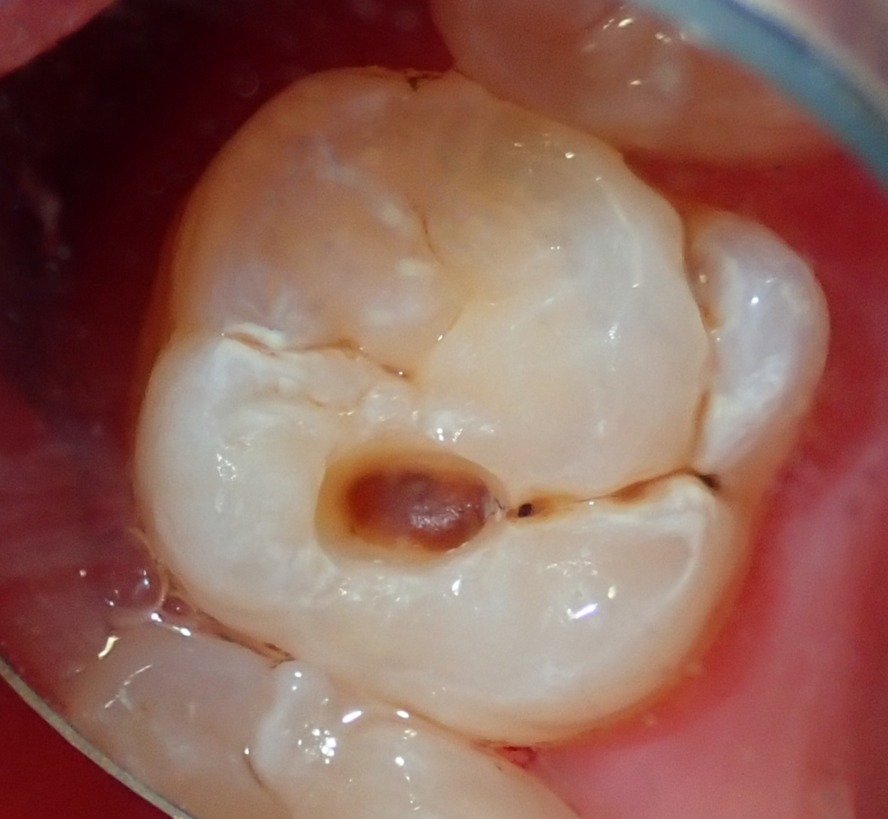

A cavity that’s gone deep
When decay reaches the nerve
Left alone, decay keeps going. If it reaches the nerve, a root canal can save the tooth and often ends the pain.
Learn more about root canals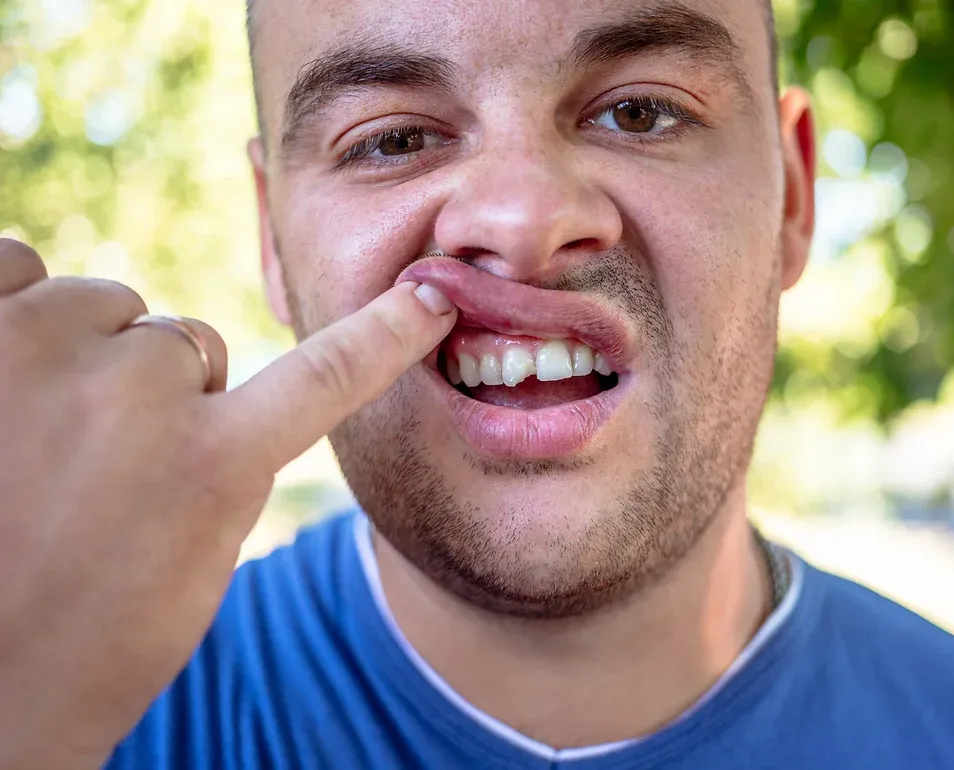
A chipped front tooth
When the tooth isn’t decayed
Color‑matched composite can also repair small chips and breaks, often in a single visit.
Learn more about bonding
Catching it small
With checkups every six months
A checkup and X‑rays find a cavity while it’s still small, when a filling is a quick repair.
Learn more about checkups“She did an X-ray and found a cavity. They were able to fill that the same day.”
How does getting a filling work, step by step?
A tooth‑colored filling takes five steps, and most fillings take one visit. You’re back to eating normally afterward.
Find it early
At your checkup. A checkup and X‑rays show the cavity while it’s still small.
Your options
Before anything starts. If a cavity is too big to fill, we talk you through a crown or other options.
Numb the tooth
Filling visit. The tooth is numbed first, so you feel pressure rather than pain.
Clean and fill
Same visit. We remove the decay and rebuild the tooth with tooth‑colored composite.
Back to normal
Right after. Shaped and polished to your bite, so it feels like your own tooth.
Do you need a filling?
A filling is right when a checkup finds a cavity while most of the tooth is still strong. These are the questions we hear most when patients are deciding.
My tooth doesn’t hurt. Do I still need a filling?
Yes, a cavity needs a filling even if it doesn’t hurt.
Left alone, decay keeps going, and a small repair can turn into a crown or a root canal. A filling today costs far less than a root canal or crown later.
When is a cavity too big for a filling?
A cavity is too big for a filling when there isn’t enough strong tooth left around it.
Then a crown covers and protects what’s left. We’ll show you on your X‑rays and talk you through the options.
Can an old silver filling be replaced?
Often, yes, an old filling can be replaced with tooth‑colored composite.
Old fillings can wear, crack or leak over time. If one needs replacing, we rebuild the tooth with composite matched to its shade, and we’ll tell you if a filling still has life in it.
Do cavities in baby teeth need fillings?
Often, yes, a cavity in a baby tooth still needs a filling.
Baby teeth hold space for adult teeth and help kids chew and speak. We care for patients of every age, and fluoride helps strengthen young enamel against new cavities.
What if I’m nervous about getting a filling?
A filling starts with numbing, and you can tell us you’re nervous.
The tooth is numbed before we start. Plenty of patients feel anxious, often because of a bad visit in the past. Tell us when you book and we’ll talk it through.
What is it like after getting a filling?
After a tooth‑colored filling, you’re back to eating normally, and it feels like your own tooth. Here’s how to keep new cavities away.
The first few hours
Your lip and cheek may stay numb for a few hours. Wait until it wears off to chew, so you don’t bite them.
Brush and floss
Brush twice a day with a soft‑bristled toothbrush, and floss once a day to reach the spots between teeth a brush can’t.
Go easy on sweets
Sticky, sugary snacks feed the bacteria that cause decay.
Checkups every six months
So we can spot wear or a new cavity while it’s still small.
When to call us
If the tooth stays sensitive for more than a few days, your bite feels off, or a filling comes loose. (847) 381-5958
Compare your choices
Filling, crown or root canal: which does your tooth need?
For a cavity caught early, a tooth‑colored filling is the smallest repair, and it keeps most of your natural tooth.
If decay goes deeper, the tooth may need a crown or a root canal, which cost more than a filling.
| Feature | Filling | Crown | Root canal |
|---|---|---|---|
| Best for | A cavity in a strong tooth | A cracked or weak tooth | Decay that reaches the nerve |
| Your natural tooth | Most of it is kept | Covered to protect it | Saved, often with a crown after |
| Visits | Usually one | Set in your treatment plan | Set in your treatment plan |
| Upfront cost | The lowest | More than a filling | More than a filling |
How much does a filling cost?
The cost of a filling depends on the size of the cavity and how many teeth need care. We go over the exact cost at your visit, before any treatment starts.
Your filling questions
Not on the list? Ask, and get an answer right here.
How long do tooth-colored fillings last?
A tooth‑colored filling lasts for years. We use the latest materials, and brushing, flossing and checkups every six months help it last and let us spot wear early.
Does getting a filling hurt?
Getting a filling usually doesn’t hurt, because the tooth is numbed first and you feel pressure rather than pain. If you’re nervous, tell us when you book and we’ll talk it through.
Can I eat after a filling?
After a tooth‑colored filling, you can eat normally once the numbness wears off. Wait until then so you don’t bite your lip or cheek.
Why is my tooth sensitive after a filling?
Some sensitivity after a filling is normal for a few days, especially to cold. If it lasts longer, or your bite feels high, call us and we’ll check it.
What causes cavities?
Cavities, which fillings repair, are caused by bacteria that feed on sugar and make acid that wears through enamel. Brushing, flossing, going easy on sticky sweets and checkups every six months help keep them away.
Can a filling fall out?
A filling can loosen or crack over time, especially if it’s old or large. If one comes out, call the office, and we’ll check whether it can be replaced or the tooth needs a crown.
How much does a filling cost in Barrington?
The cost of a filling at Main Street Smiles in Barrington, IL depends on the size of the cavity and how many teeth need care. We go over the exact cost at your visit, before any treatment starts.
Does insurance cover fillings?
Insurance coverage for fillings depends on your plan, and many plans pay toward fillings. We submit the claim for you, or ask about our dental plans if you don’t have insurance.
Reviewed by Dr. Amar Pattani, DDS, owner and lead dentist · Updated · Meet the team
Sources: Cleveland Clinic: dental fillings; ADA MouthHealthy: tooth decay; National Institute of Dental and Craniofacial Research: tooth decay.
Ready to fix that cavity?
Your visit includes a close look at the tooth, every option in plain words, and the cost, before any treatment starts. New to Main Street Smiles? Contact us with any questions first.