Tooth extractions
Tooth extractions, with sedation if you want it and a plan for the gap. Right here in downtown Barrington.
When a tooth has to come out, hidden wisdom teeth included, we take it out in our office, with nitrous oxide or oral sedation if you’re nervous.

Why patients choose Main Street Smiles for tooth extractions
Wisdom teeth too
Including hidden wisdom teeth, without sending you somewhere else.
Sedation options
Nitrous oxide or oral sedation to take the edge off, if you want it.
A plan for the gap
An implant, bridge or denture to replace the tooth, if you want one.
Every age
We see patients of every age, and take our time with younger patients.
What is a tooth extraction?
A tooth extraction removes a tooth that’s badly damaged, infected or in the way, wisdom teeth included, while the area is numbed.
Afterward, a blood clot fills the socket and the bone slowly fills in. You can replace the tooth when you’re ready.

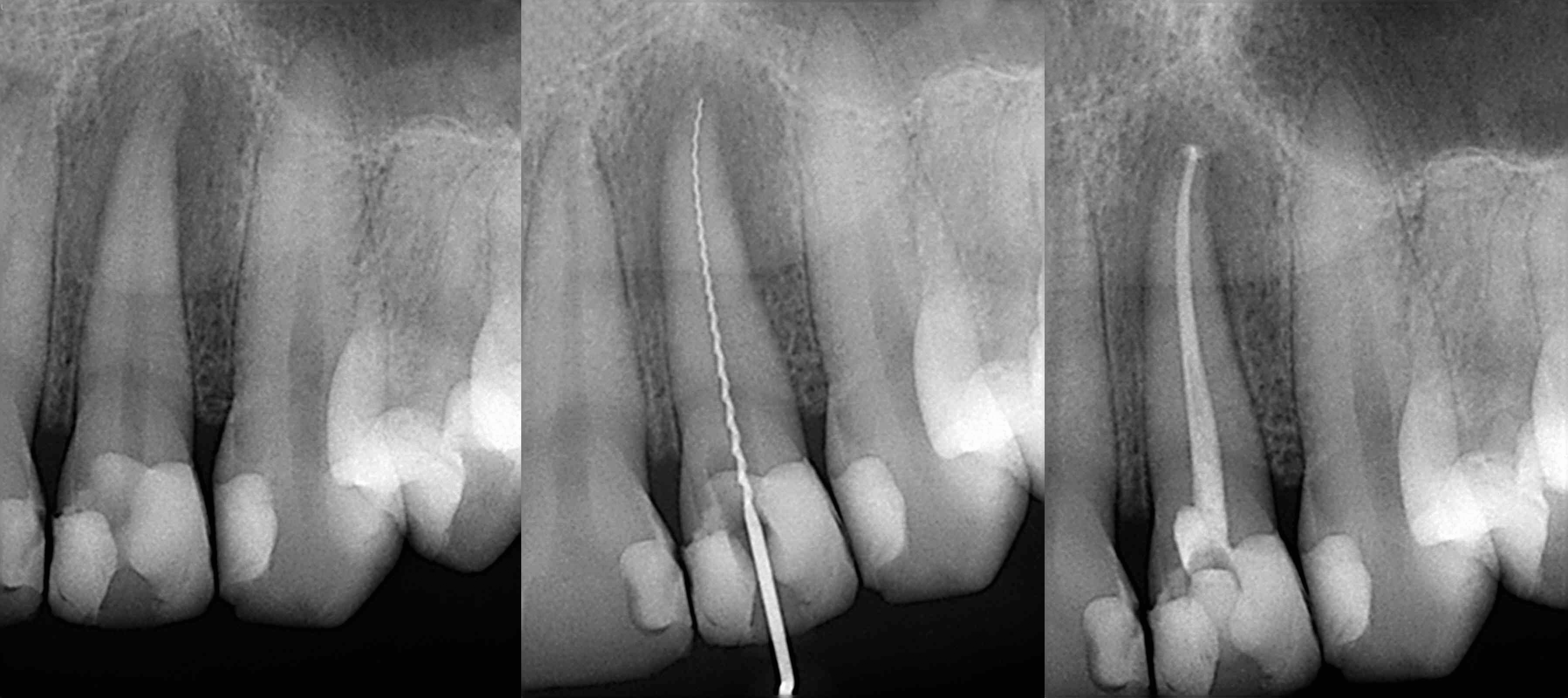
A tooth that might be saved
When the nerve is infected
A root canal is the other way to treat an infected tooth. If yours can be saved, we’ll tell you.
Learn more about root canals
An implant later
When you want to keep the bone
Grafting the socket when a tooth comes out can help keep the bone, so an implant is simpler later.
Learn more about bone grafting
Replacing the tooth
When you want the gap filled
A single tooth implant replaces one tooth, root and all. A bridge or denture can fill the gap too. See all our dental implant options.
Learn more about single implants“The doctor had a lot of patience with my 8-year-old, who had to get multiple extractions done. It’s a very nice office, and my daughter was comfortable the whole time.”
How does a tooth extraction work, step by step?
A tooth extraction takes five steps, and we plan the gap before the tooth comes out, so nothing is left to chance.
Talk it through
First visit. An exam and X‑rays, and a plan for the tooth and the space it leaves.
Plan the gap
Before it comes out. An implant, bridge or denture later, or a socket graft to keep the bone.
Numb and calm
Extraction day. The area is numbed, with nitrous oxide or oral sedation if you want it.
The extraction
Extraction day. We take the tooth out in our office, and you bite on gauze to stop the bleeding.
What comes next
Once it heals. A single tooth implant, bridge or denture if you’re replacing the tooth.
Does your tooth need to come out?
A tooth needs an extraction when it’s too damaged or infected to save, or when it’s in the way, like some wisdom teeth. These are the questions we hear most when patients are deciding.
Can the tooth be saved instead?
Sometimes, yes: a root canal can save an infected tooth instead of an extraction.
A root canal is one of only two ways to treat an infected or abscessed tooth. The other is taking it out. An exam and X‑rays show which makes sense for your tooth, and we’ll tell you if it can be saved.
Do my wisdom teeth need to come out?
Wisdom teeth need an extraction when they’re causing problems, not always.
An exam and X‑rays show where your wisdom teeth sit and whether they’re causing trouble. If they need to come out, we do it here in our office, hidden ones included, without sending you somewhere else.
Should I replace the tooth after it’s pulled?
Replacing an extracted tooth is usually a good idea, except for wisdom teeth.
Without a tooth, the bone under the gap can shrink over time, and nearby teeth can drift into the space. An implant, bridge or denture fills it, and we plan that with you before the tooth comes out.
Can I keep my bone for an implant later?
Yes, a socket graft at the time of the extraction can help keep the bone.
Grafting the socket when a tooth comes out can help keep the bone for an implant later. If you’re thinking about an implant, tell us before the extraction so we can plan for it. Read more about bone grafting.
Will I be awake for my extraction?
Yes, for an extraction you’re awake but relaxed.
We numb the area first, and if you’re nervous, sedation takes the edge off so you stay calm through the visit. With oral sedation, bring someone to drive you home.
Can my child have a tooth taken out here?
Yes, children can have extractions here.
We see patients of every age, so the whole family can come to one office, and we take our time with younger patients.
What is recovery like after a tooth extraction?
Most people feel better within a few days after a tooth extraction. Here’s what to expect while the area heals.
Stop the bleeding
Bite gently on gauze to stop the bleeding. A small amount of bleeding at first is normal.
What to eat
Stick to soft foods, and chew on the other side while the area heals.
Protect the clot
Skip straws and smoking for a few days, so the blood clot stays in the socket. Losing it can cause a painful dry socket.
After sedation
If you have oral sedation, bring someone to drive you home and take it easy that day.
When to call us
If pain or swelling gets worse after a few days, or bleeding won’t stop. (847) 381-5958
Compare your choices
After an extraction: implant, bridge or leave the gap?
After an extraction, an implant is usually the closest thing to the tooth you lost, and it’s the only option here that helps preserve the jawbone.
A bridge costs less up front. Leaving the gap costs nothing now, but the bone can shrink and nearby teeth can drift into the space.
| Feature | Implant | Bridge | Leave the gap |
|---|---|---|---|
| Fills the gap | Yes, with a fixed tooth | Yes, with a fixed tooth | No |
| Teeth beside the gap | Left untouched | Filed down and capped | Can drift into the space |
| Helps preserve the bone | Yes | No | No |
| Feels like | Closest to your own tooth | A fixed tooth | A gap |
| Upfront cost | The highest | Less than an implant | Nothing |
How much does a tooth extraction cost?
The cost of a tooth extraction depends on the tooth and what you need with it. We go over your cost with you before any treatment starts.
Your extraction questions
Not on the list? Ask, and get an answer right here.
Does a tooth extraction hurt?
A tooth extraction is done with the area numbed, so you shouldn’t feel pain during it, and sedation is there if you’re nervous. Some soreness afterward is normal as the numbness wears off, and most people feel better within a few days.
How long does it take to heal after an extraction?
Healing after a tooth extraction starts with a blood clot that fills the socket, and most people feel better within a few days. The bone underneath fills in more slowly after that.
What is a dry socket?
A dry socket is a painful problem after a tooth extraction, when the blood clot in the socket comes out and leaves bone and nerves exposed. Skipping straws and smoking for a few days helps prevent it. If it happens, call us.
Can I brush my teeth after an extraction?
Yes, after an extraction you can brush and floss your other teeth as usual, but don’t clean the teeth right next to the socket at first. Rinse gently for the first few days.
Do I need stitches after an extraction?
Stitches after an extraction are needed only sometimes, usually when the gum has to be opened to reach the tooth. If you have them, we’ll tell you how to care for them.
Which sedation is right for my extraction?
Sedation for an extraction comes in two kinds here: nitrous oxide, breathed in through a small mask to help you relax, and oral sedation, a prescribed calming medication such as Valium or Halcion. Tell us when you book and we’ll talk through which suits you.
What if a tooth needs to come out right away?
If you need an extraction and the tooth hurts right now, call us as early as you can: we keep same‑day spots open for patients in pain. Read more about emergency dental care.
What does a tooth extraction cost at Main Street Smiles?
The cost of a tooth extraction at Main Street Smiles depends on the tooth and what you need with it, like sedation or a socket graft. We go over your cost with you before any treatment starts.
Does insurance pay for a tooth extraction?
Insurance coverage for a tooth extraction depends on your plan. Your benefits still apply, and we submit the claim for you. No insurance? Ask about our dental plans.
Reviewed by Dr. Amar Pattani, DDS, owner and lead dentist · Updated · Meet the team
Sources: American Dental Association (MouthHealthy): extractions; American Dental Association (MouthHealthy): dry socket; MedlinePlus (U.S. National Library of Medicine): tooth extraction; American Association of Oral and Maxillofacial Surgeons: wisdom teeth management.
Time for that tooth to go?
Your visit starts with an exam and X‑rays, a look at every option, and a plan for the gap, before any treatment starts. New to Main Street Smiles? Contact us with any questions first.