All‑on‑4 dental implants
Replace a full arch of teeth with All‑on‑4 implants. Right here in downtown Barrington.
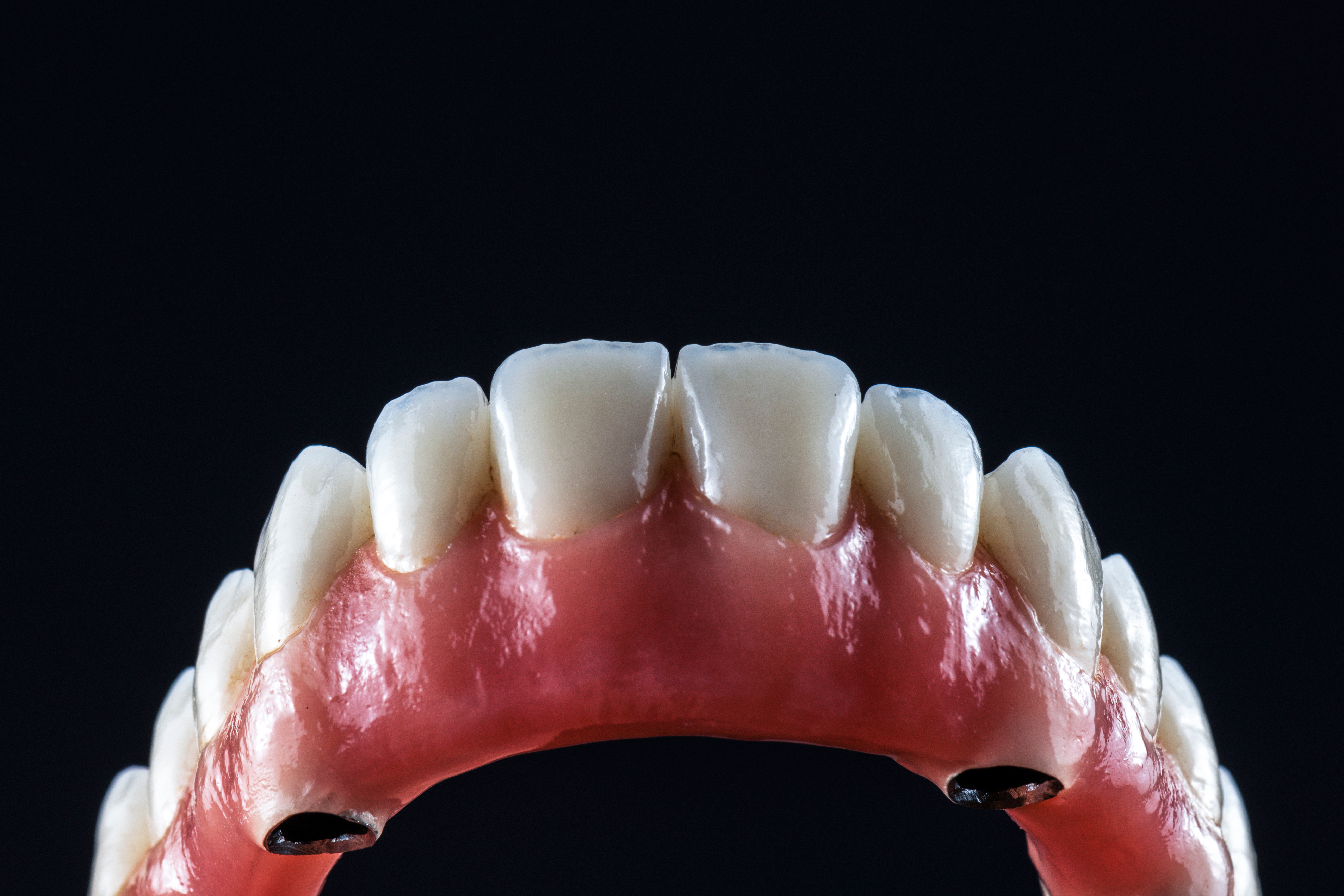
All‑on‑4 replaces a full arch of missing or failing teeth with fixed teeth on four implants. Dr. Amar Pattani plans yours in 3D and places it in our office.

Why patients choose Main Street Smiles for All‑on‑4
3D‑guided placement
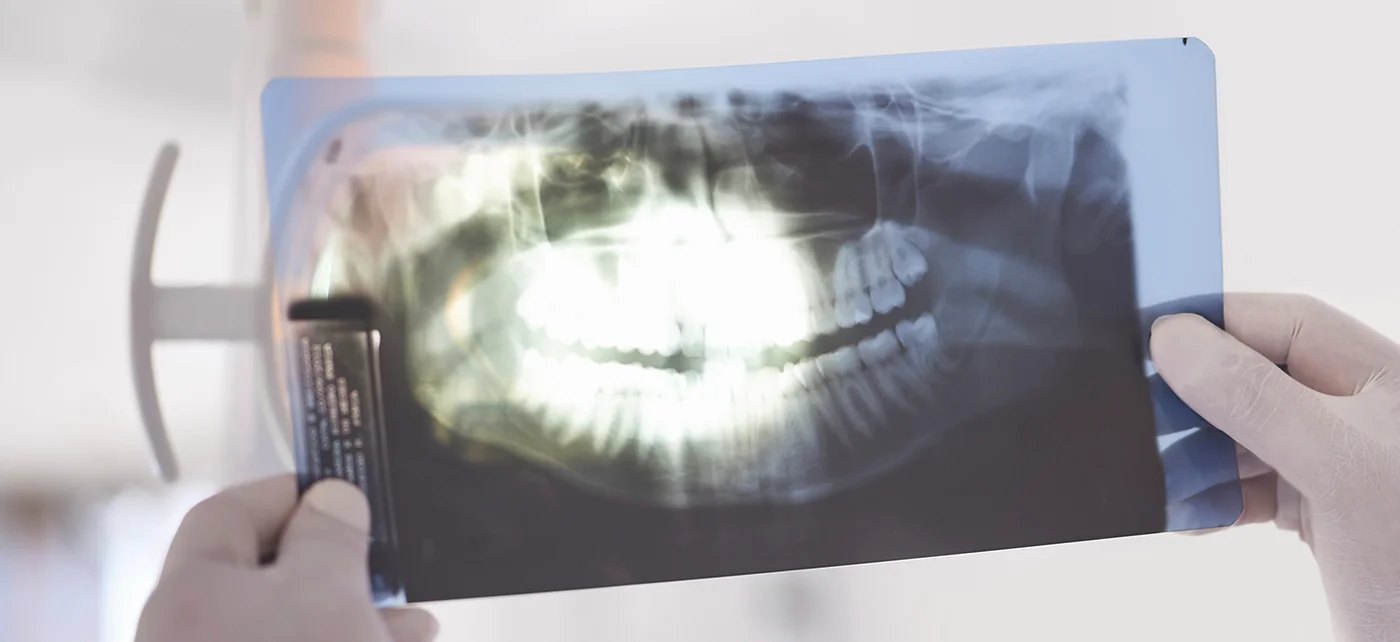
A Cone Beam CT and a printed guide place each implant where it was planned.
Scan to new teeth, here
Your scan, surgery and final arch, all in our Main Street office.
Insurance claims filed
We accept all PPO plans and submit the claim for you, so your benefits still apply.
Monthly payments
Your exact cost is in writing at your consult, with monthly payment options.
What are All‑on‑4 dental implants?
All‑on‑4 dental implants replace a full arch of teeth with a fixed bridge held by four implants. Two go in straight at the front of the jaw and two are angled toward the back, which often lets them use the bone you already have.
The teeth stay in: you brush them instead of taking them out.
Failing teeth that need to come out
When teeth can’t be saved
We remove the teeth that can’t be saved before the implants go in, with sedation if you want it.
Learn more about extractions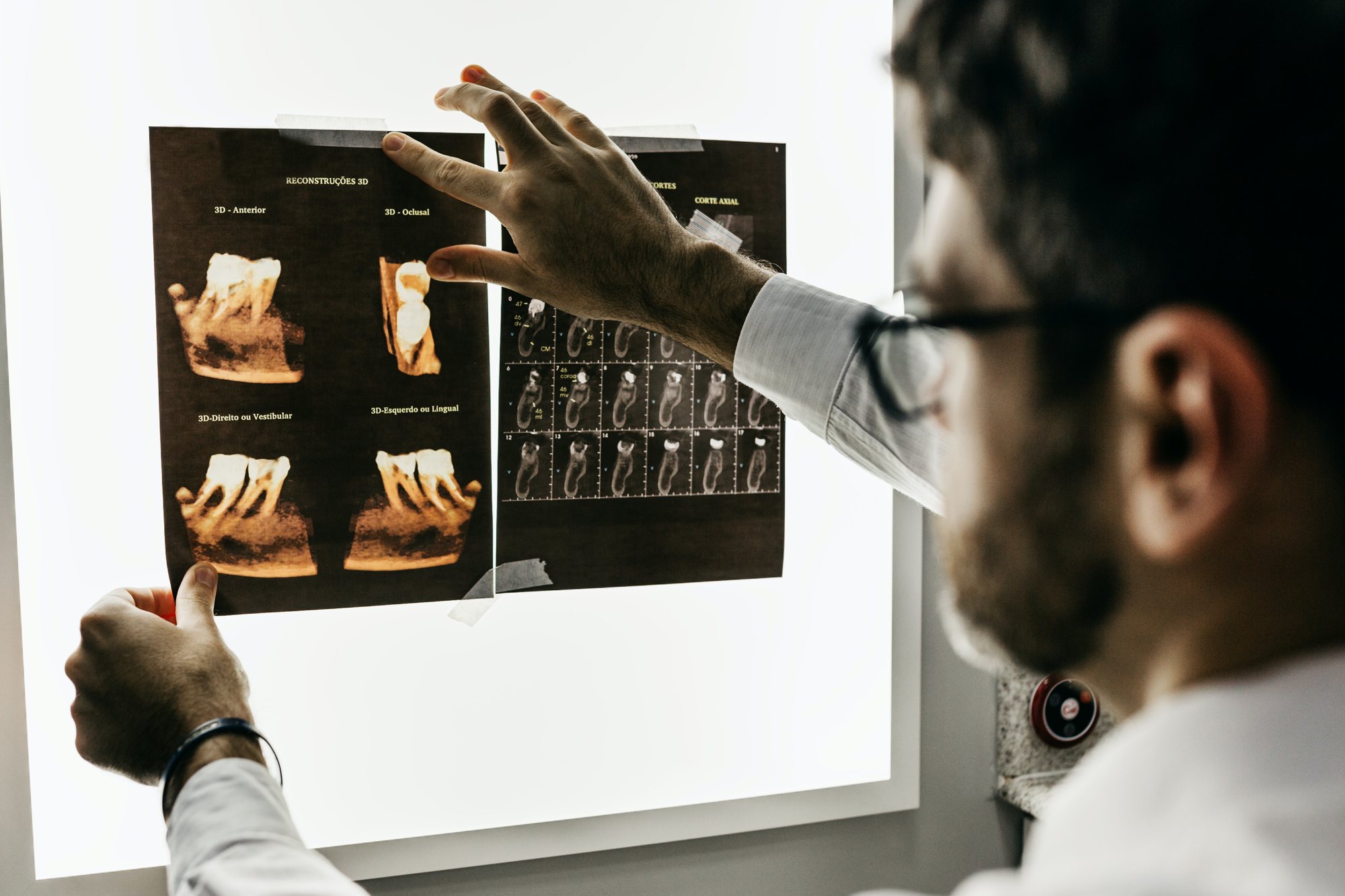
Bone lost over the years
When the jawbone has thinned
All‑on‑4’s angled implants often use the bone you already have. If your 3D scan shows there still isn’t enough, a bone graft can rebuild it first.
Learn more about bone grafting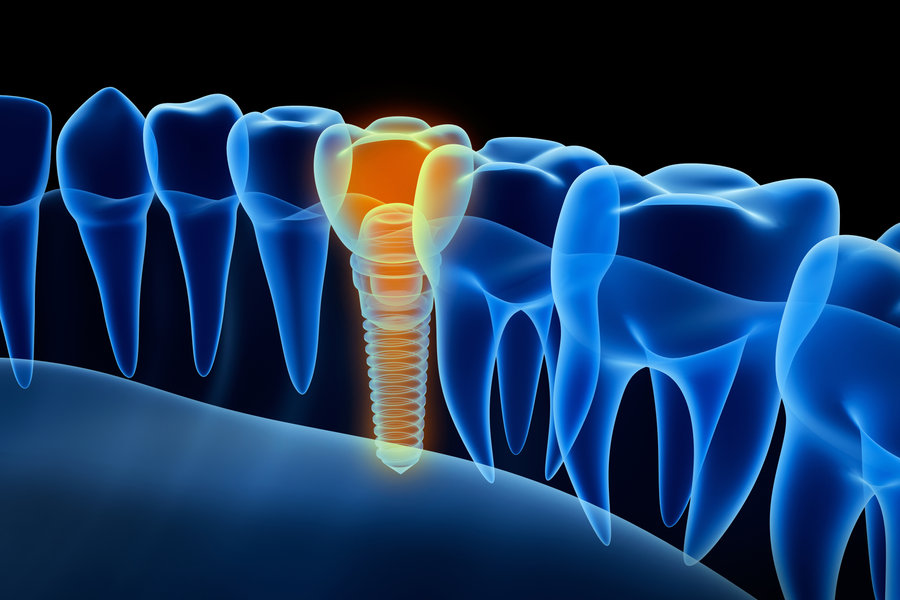
Only one or two teeth missing
When a full arch isn’t needed
If most of your teeth are healthy, a single tooth implant fills a gap without touching them. See all our dental implant options.
Learn more about single implants“They do it all and they do it well. Dr. Pattani and his staff are friendly and delightful. They can take care of your implant needs as well.”
How does All‑on‑4 work, step by step?
All‑on‑4 takes five steps, from your 3D scan to your final teeth, usually over a few months while the implants bond with your jawbone.
Consult + scan
Day one. An exam and Cone Beam CT at your implant consultation, then your options and the cost, in writing.
Digital plan
Before surgery. Your scan becomes a 3D‑printed surgical guide, made for your mouth.
Placement
Surgery day. Failing teeth come out and four implants go in, numbed, with sedation if you want it.
Healing
Over a few months. The implants bond with your jawbone. In some cases a temporary arch goes in the same day.
Your new teeth
Final visit. Your lab-made full arch is fitted and checked against your bite.
Is All‑on‑4 right for you?
All‑on‑4 is right for many adults who are missing most or all of the teeth in one arch, or whose remaining teeth are failing. These are the questions we hear most when patients are deciding.
Is All‑on‑4 a good option if I wear dentures now?
Yes, All‑on‑4 is often a good fit for people who are tired of dentures.
Implant teeth don’t come out at night, don’t click when you talk, and don’t need a tube of adhesive. You brush and floss them like your own teeth, and because they’re anchored, you can bite and chew with confidence.
All‑on‑4 or an implant for every tooth?
For a full arch, All‑on‑4 usually needs far fewer implants.
Four implants hold the whole arch. Because the back two are angled, they can often use the bone you already have, so a bone graft is less often needed than with more implants placed straight.
What if some of my teeth are still healthy?
If you still have healthy teeth worth keeping, All‑on‑4 may not be your best option.
A single tooth implant or an implant-supported bridge can fill the gaps and keep your own teeth. Your exam and 3D scan show which teeth can stay, and we go over every option with you.
Can I get All‑on‑4 if I’ve been told I don’t have enough bone?
Often, yes: All‑on‑4 is designed to work with the bone you already have.
The angled back implants reach the stronger bone, which often avoids a graft. Your Cone Beam CT shows exactly how much bone you have. If there still isn’t enough, a bone graft can rebuild it first.
Can All‑on‑4 replace just my top or bottom teeth?
Yes, All‑on‑4 can replace just the upper arch, just the lower arch, or both.
Studies show similar results for upper and lower arches. If the other arch still has healthy teeth, we keep them and match your new teeth to your bite.
Am I healthy enough for All‑on‑4?
Most adults are healthy enough for All‑on‑4.
Age alone isn’t a barrier; what matters is your gum health, your bone and your overall health. Gum disease is treated first, and conditions like diabetes should be well controlled. Smoking slows healing, so cutting back or quitting before treatment helps.
What is recovery like after All‑on‑4?
Recovery from All‑on‑4 takes a little longer than a single implant, because a whole arch is healing at once. Here’s what the first weeks look like.
The first few days
Expect swelling and soreness for a few days; an ice pack and over-the-counter pain relief usually handle it. Plan a few quiet days at home.
What to eat
Soft foods while the implants heal, like yogurt, eggs, soup and pasta. Skip straws, very hot drinks and crunchy foods.
Keeping it clean
Gentle rinses at first, then brush your new teeth and clean under the arch every day. We’ll show you how.
Follow-up visits
We check your healing about a week or two after surgery, and again before your final teeth go on.
When to call us
If swelling or pain gets worse after the third day, bleeding won’t stop, or an implant ever feels loose. (847) 381-5958
Compare your choices
Replacing a full arch: All‑on‑4, dentures or an implant for every tooth?
For a full arch, All‑on‑4 gives you fixed teeth on just four implants, and like any implant, it helps preserve the jawbone.
Traditional dentures cost the least up front, but they come out to clean and can slip. An implant for every tooth means more implants and more surgery.
| Feature | All‑on‑4 | Traditional dentures | Implant for every tooth |
|---|---|---|---|
| Stays in place | Fixed, doesn’t come out | Removable, can slip | Fixed |
| Held by | Four implants per arch | Suction or adhesive | Many implants |
| Helps preserve the bone | Yes | No | Yes |
| Daily care | Brush and floss | Take out, clean and soak | Brush and floss |
| Typically lasts | Implants: decades | 5 to 8 years | Implants: decades |
| Upfront cost | Less than an implant per tooth | The lowest | The highest |
How much does All‑on‑4 cost?
The cost of All‑on‑4 depends on whether you’re replacing one arch or both, how many teeth need to come out first, and the teeth that go on top. Your exact cost is in writing at your consult, after your 3D scan and before any treatment starts.
Your All‑on‑4 implant questions
Not on the list? Ask, and get an answer right here.
How long do All‑on‑4 implants last?
All‑on‑4 implants are built to last many years with good care: in studies, about 99% of All‑on‑4 implants and bridges were still in place after 3 years. The teeth on top may need repairs or replacing after years of wear, so regular checkups matter.
Does getting All‑on‑4 hurt?
Getting All‑on‑4 usually hurts less than people expect, because the area is numbed and you feel pressure rather than pain. Soreness afterward usually eases within a few days. If you’re nervous, ask about sedation.
Can I get new teeth the same day with All‑on‑4?
With All‑on‑4, in some cases a temporary arch can go in the same day, depending on your bone. Ask Dr. Pattani at your consult whether it’s an option for you.
How long does All‑on‑4 take from start to finish?
All‑on‑4 usually takes a few months from surgery to your final teeth, because the implants need time to bond with your jawbone. Extractions or a bone graft first can add time. You’ll get your own timeline at your consult.
Can I eat normally with All‑on‑4?
Yes, once your final teeth are in, All‑on‑4 lets you bite and chew much more naturally than dentures, including many foods that are hard to eat with dentures. While the implants heal, you’ll stick to softer foods.
Will All‑on‑4 teeth look natural?
Yes, All‑on‑4 teeth are lab-made to look like natural teeth and built to work in harmony with your bite. We plan the shape and shade with you before your final arch is made.
What are the risks of All‑on‑4?
Serious problems after All‑on‑4 are uncommon. The main risks are infection, gum inflammation around the implants (peri-implantitis) and chips or cracks in the teeth on top. Planning on a 3D scan helps place each implant safely.
How much does All‑on‑4 cost in Barrington?
The cost of All‑on‑4 at Main Street Smiles in Barrington, IL depends on whether you’re replacing one arch or both, how many teeth need to come out, any bone graft, and the teeth on top. It’s in writing at your consult, with monthly payment options, before any treatment starts.
Does insurance cover All‑on‑4?
Insurance coverage for All‑on‑4 depends on your plan. Some pay toward parts of the treatment, like the extractions. Bring your insurance card and we’ll check, or ask about our dental plans if you don’t have insurance.
Reviewed by Dr. Amar Pattani, DDS, owner and lead dentist · Updated · Meet the team
Sources: American Academy of Periodontology: full mouth dental implants; Patzelt et al., The all-on-four treatment concept: a systematic review, Clin Implant Dent Relat Res, 2014; Soto-Penaloza et al., The all-on-four treatment concept: systematic review, J Clin Exp Dent, 2017; Figueiredo et al., All-on-Four rehabilitation of edentulous jaws: an overview of systematic reviews, Oral Maxillofac Surg, 2025.
Ready for a full set of fixed teeth?
Your consult includes an exam, a 3D scan, your options and the cost, before any treatment starts. New to Main Street Smiles? Contact us with any questions first.