Bone grafting for implants
Rebuild the bone your implant needs with bone grafting. Right here in downtown Barrington.
Bone grafting rebuilds jawbone that has thinned, so an implant has solid support. A 3D scan shows whether you need it, and we do it right here in our office.

Why patients choose Main Street Smiles for bone grafting
3D scan first
A Cone Beam CT shows how much bone there is, and where the nerves and sinuses sit.
Grafted in our office
Done here in Barrington, by the same team that plans and places your implant.
Only if you need it
Not everyone needs a graft. The scan tells us before anything is decided.
Insurance claims filed
We accept all PPO plans and submit the claim for you, so your benefits still apply.
What is bone grafting for dental implants?
Bone grafting for dental implants adds graft material where your jawbone has thinned, so there’s enough height and width to hold an implant.
Over the following months, new bone grows into the graft. Then the implant can go where it belongs.
A tooth coming out soon
When you can plan ahead
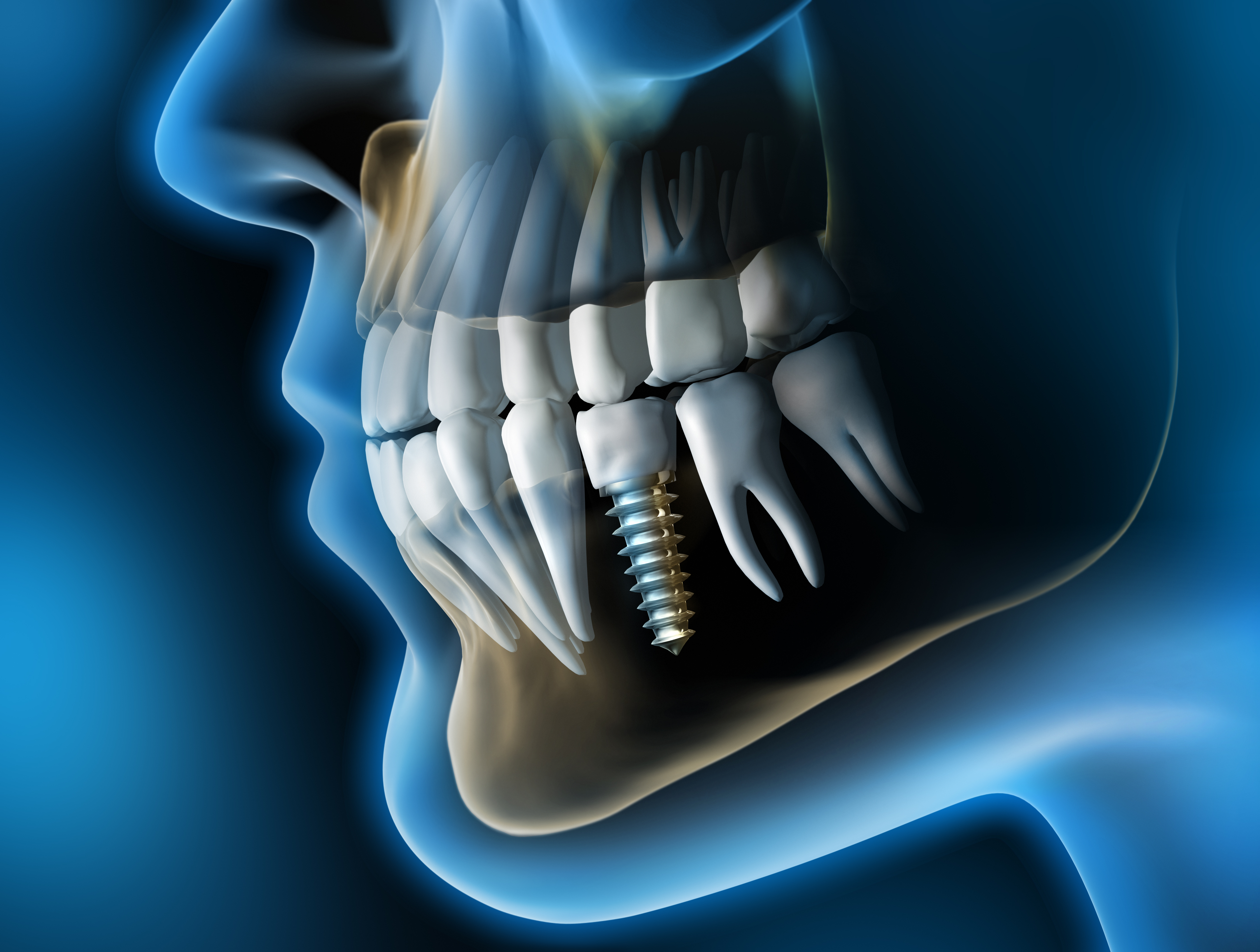
Grafting the socket when a tooth comes out can help keep the bone, so an implant is simpler later.
Learn more about extractions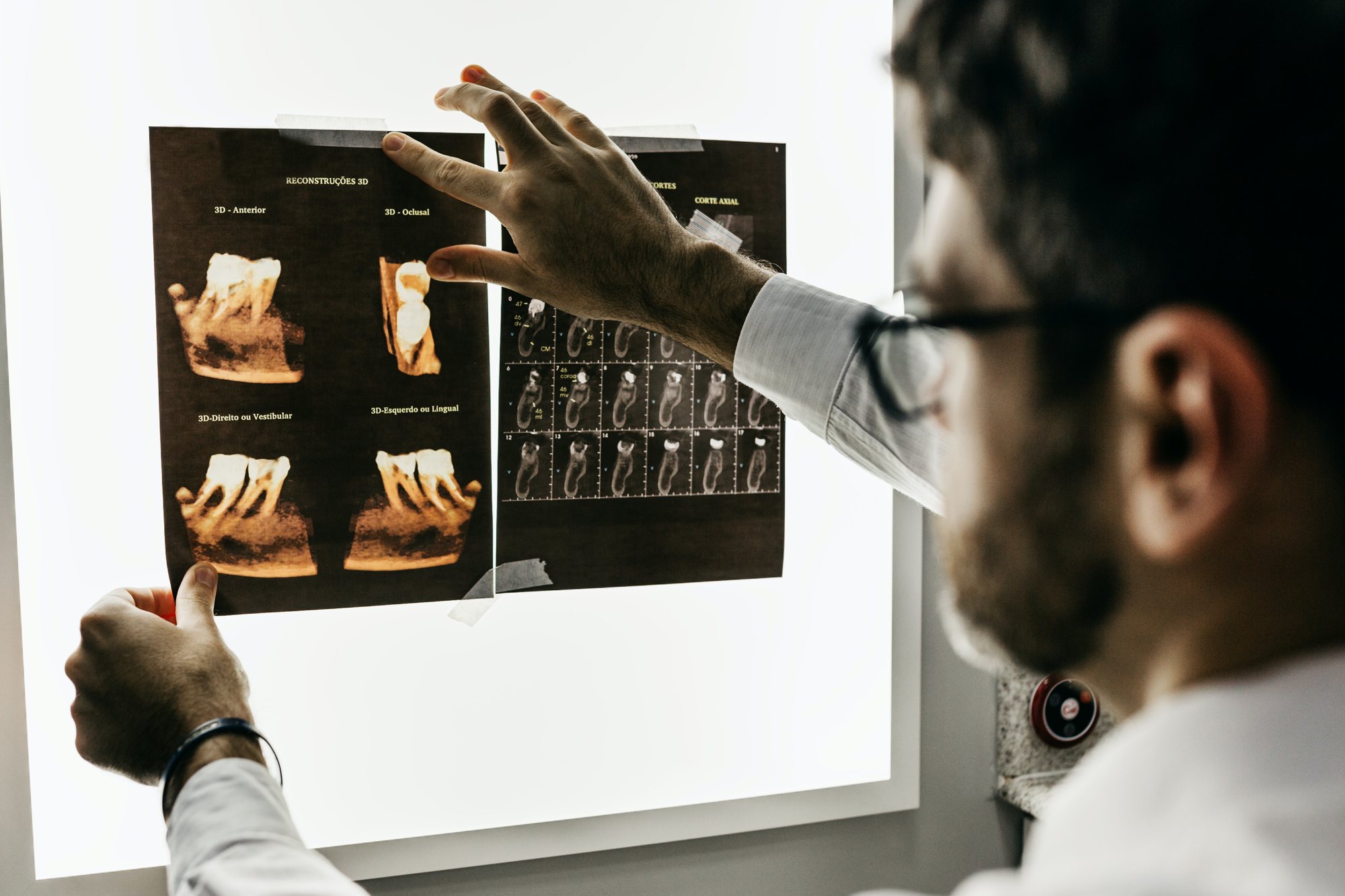
A tooth lost years ago
When the bone has thinned
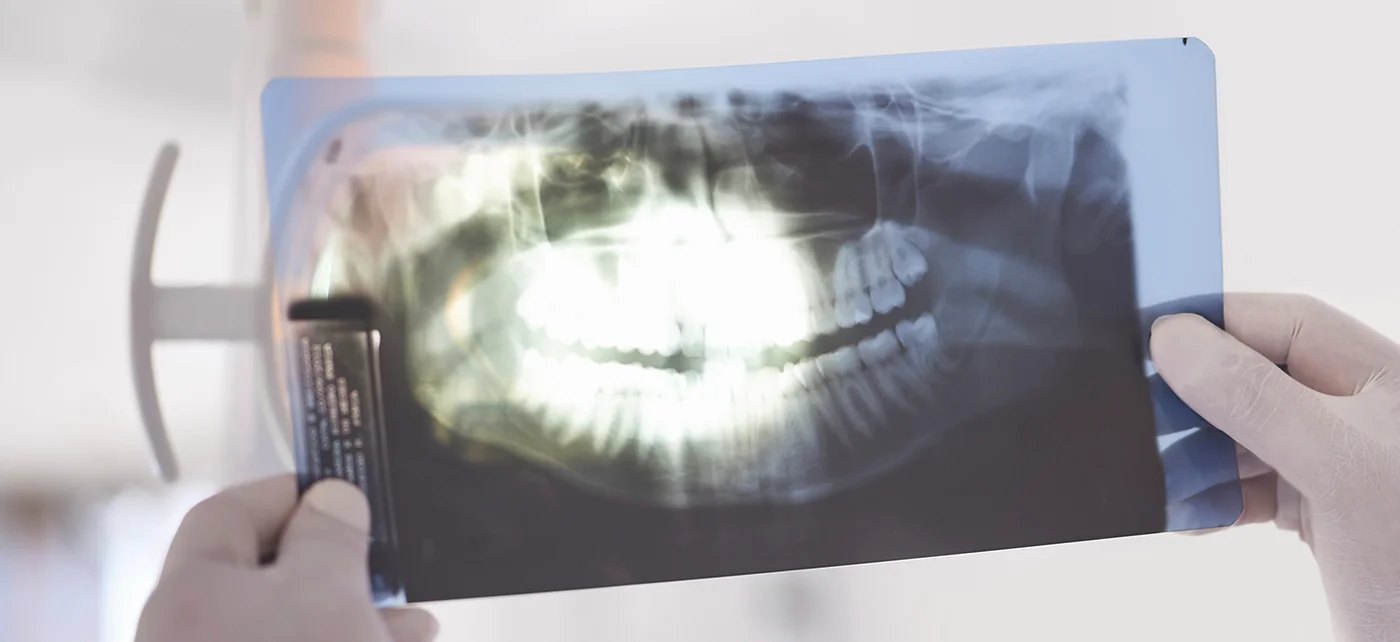
Bone that no longer holds a tooth can thin out. A graft rebuilds it, then a single tooth implant goes in.
Learn more about single implants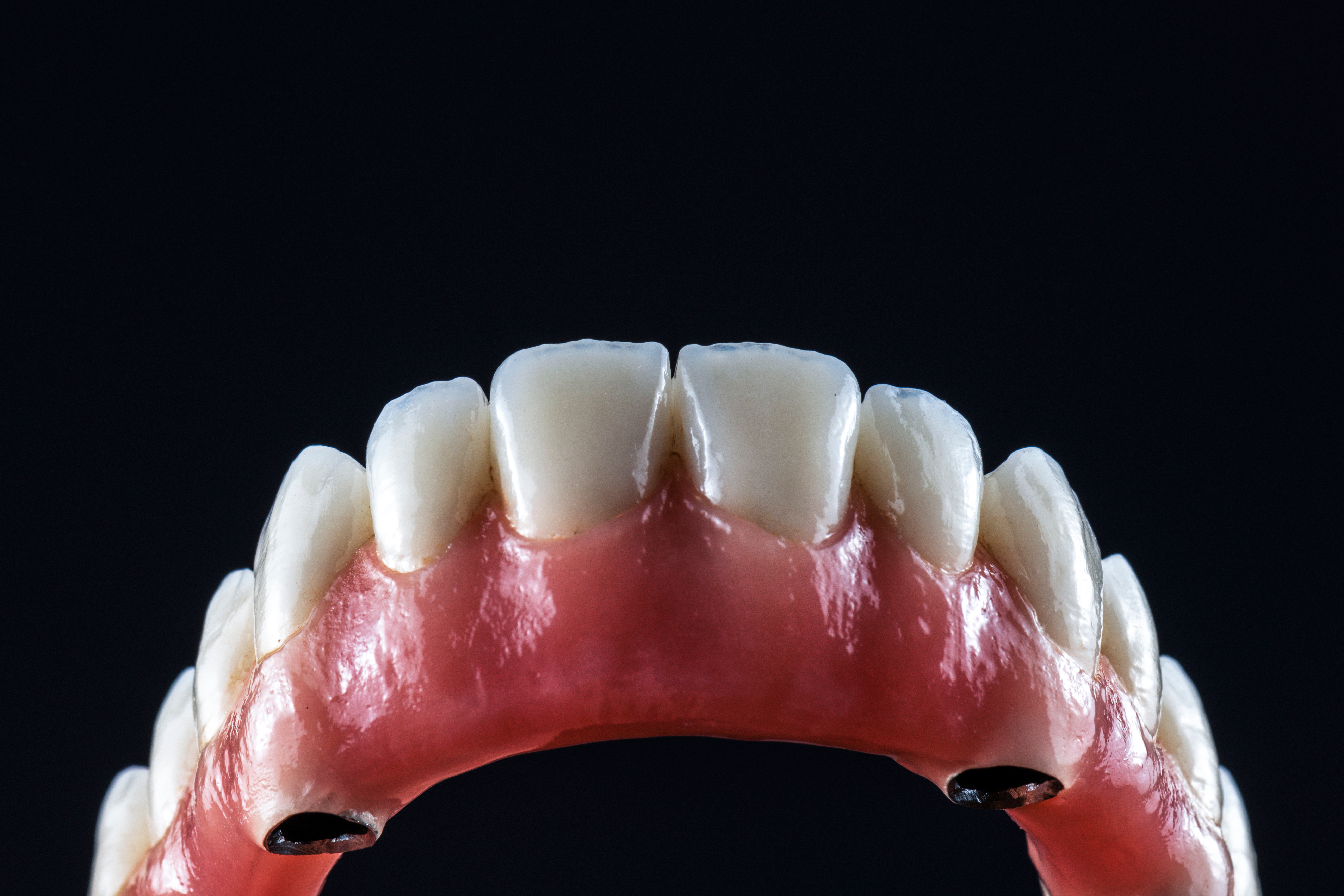
Many teeth missing
When a full arch needs replacing
All‑on‑4 angles two implants toward the back, which often lets them use the bone you already have. See all our dental implant options.
Learn more about All‑on‑4“They do it all and they do it well. Dr. Pattani and his staff are friendly and delightful. They can take care of your implant needs as well.”
How does bone grafting for implants work, step by step?
Bone grafting for implants takes five steps. From graft to your final teeth usually takes 6 to 12 months, and not everyone needs a graft at all.
Consult + scan
Day one. At your implant consultation, an exam and Cone Beam CT show your bone, nerves and sinuses, then your options and the cost, in writing.
Graft or not
At your consult. The scan tells us whether you need a graft, and where. Not everyone does.
The graft
One visit. The area is numbed, with sedation if you want it, and the graft is placed here in our office.
Healing
4 to 12 months. New bone grows into the graft. Your timeline is part of your plan.
Your implant
Once it’s ready. A 3D‑printed surgical guide places the implant where we planned it.
Do you need a bone graft before your implant?
You need a bone graft before an implant only if your 3D scan shows there isn’t enough bone to hold it. These are the bone loss questions we hear most.
Why does the jawbone shrink after a tooth is lost?
The jawbone shrinks because nothing is stimulating it anymore.
A tooth keeps the bone around it in shape. Once it’s gone, the bone thins fastest in the first 3 to 6 months, and the longer the gap stays open, the more likely you’ll need a bone graft.
How do I know if I have enough bone for an implant?
A 3D scan shows whether you have enough bone for an implant.
A Cone Beam CT shows the height and width of your jawbone, and where the nerves and sinuses sit. We go over the scan with you at your consult, before anything is decided.
Which type of bone graft will I need?
The type of bone graft you need depends on where the bone is missing.
A socket graft goes in when a tooth comes out, to help keep the bone. A ridge augmentation rebuilds a jaw that has already thinned. A sinus lift adds height in the upper back jaw, below the sinus. Your 3D scan shows which one fits.
Should I get a bone graft when a tooth is pulled?
A socket graft is often worth it if you want an implant later.
Grafting the socket when a tooth comes out can help keep the bone. Studies suggest it limits how much the ridge shrinks in the first 6 months, which can make the implant simpler.
Can gum disease cause bone loss?
Yes, gum disease can wear away the bone an implant needs.
Periodontitis wears away the bone and supporting structure around the teeth. We treat the gum disease first, then check how much bone is left for an implant.
What if the implant goes near my sinus?
Implants in the upper back jaw are planned around the sinus.
There, the sinus can sit close to where an implant goes. The 3D scan shows us exactly where, and if the bone below it is thin, a sinus lift can add bone first.
Can I skip the bone graft?
Sometimes you can skip a bone graft, depending on your bone.
For a full arch, All‑on‑4 angles two implants toward the back, which often lets them use the bone you already have. A bridge or denture needs no graft, but it doesn’t protect the bone.
What is recovery like after a bone graft?
Recovery from a bone graft is usually a lot like recovery from an extraction: some swelling and soreness for a few days. Here’s what the first two weeks look like.
The first few days
Expect some swelling and soreness for a few days. An ice pack and over-the-counter pain relief usually handle it.
What to eat
Soft foods for the first week or so, and chew on the other side. Skip straws and crunchy foods.
Keeping it clean
Gentle rinses at first, and brush carefully around the area. Skip smoking while it heals.
Follow-up visits
We check your healing about a week or two after the graft, and again before your implant goes in.
When to call us
If swelling or pain gets worse after the third day, or bleeding won’t stop. (847) 381-5958
Compare your choices
Not enough bone: graft, All‑on‑4 or a bridge?
For one or a few missing teeth, a bone graft is usually what makes an implant possible when the bone has thinned, and the implant then helps preserve that bone.
For a full arch, All‑on‑4 often uses the bone you already have. A bridge or denture skips surgery, but the bone keeps shrinking.
| Feature | Graft + implant | All‑on‑4 | Bridge or denture |
|---|---|---|---|
| Best for | One or a few missing teeth | A full arch of teeth | Skipping surgery |
| Surgery first | A graft, then healing | Often none | None |
| Helps preserve the bone | Yes | Yes | No |
| Teeth beside the gap | Left untouched | Replaces the whole arch | Filed down or clasped |
| Feels like | Your own tooth | Fixed teeth | Fixed or removable teeth |
How much does bone grafting cost?
The cost of bone grafting depends on how much bone is needed and where. Your exact cost is in writing at your consult, after your 3D scan and before any treatment starts.
What else do patients ask about bone grafts?
Not on the list? Ask, and get an answer right here.
Does a bone graft hurt?
A bone graft usually feels like pressure rather than pain, because the area is numbed first. Soreness afterward usually eases within a few days. If you’re nervous, ask about sedation.
How long does a bone graft take to heal?
A bone graft usually heals for 4 to 12 months before an implant goes in, while new bone grows into it. From graft to final teeth, plan on about 6 to 12 months. Your own timeline is part of your plan.
Where does bone graft material come from?
Bone graft material can be your own bone or a bone substitute. Dr. Pattani explains which one suits you at your consult.
Can the graft and implant go in the same day?
Sometimes a bone graft and an implant go in at the same visit, when there’s enough bone to hold the implant steady. Your 3D scan tells us whether that’s an option for you.
Is it too late if I lost my tooth years ago?
It’s usually not too late for a bone graft: it can often rebuild bone that has thinned over the years. Your 3D scan shows how much bone is left and what it would take.
What are the risks of a bone graft?
Expect some swelling and soreness for a few days; the main risks are infection or a graft that doesn’t fully take and needs to be redone. Call us if swelling or pain gets worse after the third day.
How much does bone grafting cost in Barrington?
The cost of bone grafting at Main Street Smiles in Barrington, IL depends on how much bone is needed and where. It’s in writing at your consult, after your 3D scan and before any treatment starts.
Does insurance cover a bone graft?
Insurance coverage for a bone graft depends on your plan. We submit the claim for you, so your benefits still apply. No insurance? Ask about our dental plans.
Reviewed by Dr. Amar Pattani, DDS, owner and lead dentist · Updated · Meet the team
Sources: American Academy of Periodontology: ridge modification; American Academy of Periodontology: sinus augmentation; Tan et al., Post-extractional alveolar hard and soft tissue dimensional changes in humans: a systematic review, Clin Oral Implants Res, 2012; Atieh et al., Alveolar ridge preservation techniques for dental implant site development, Cochrane Database Syst Rev, 2021.
Not sure you have enough bone?
Your consult includes an exam, a 3D scan, your options and the cost, before any treatment starts. New to Main Street Smiles? Contact us with any questions first.