Dental bridges
Fill the gap with a fixed dental bridge. Right here in downtown Barrington.
A dental bridge replaces one or more missing teeth and is held by the teeth on either side of the gap, so there’s nothing to take out at night.
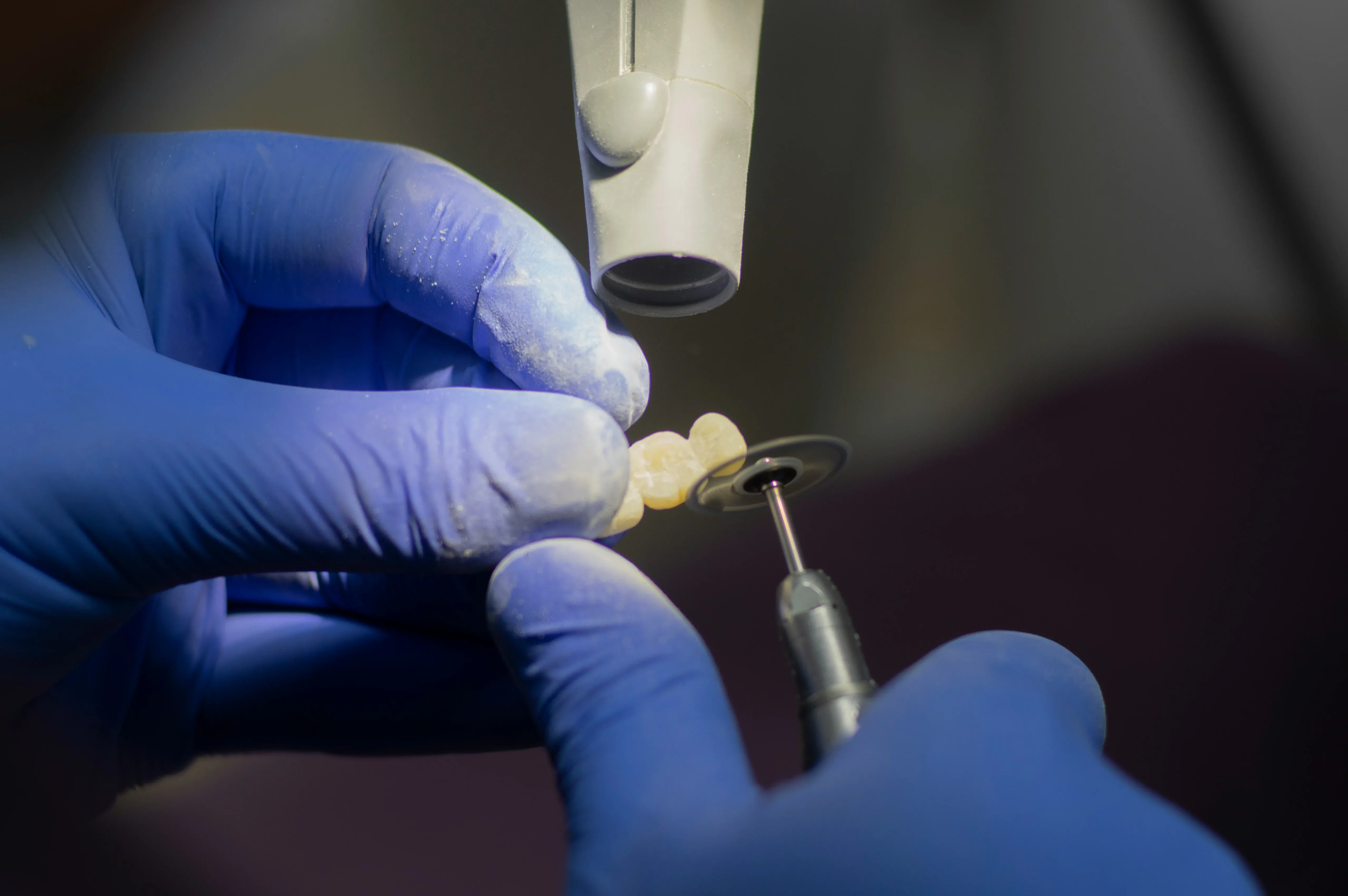
Why patients choose Main Street Smiles for dental bridges
Fixed in place
Held by the teeth on either side, so there’s nothing to take out at night.
A close look first
X‑rays and a 3D scan show whether the teeth beside the gap can hold a bridge.
Honest options
A bridge, a partial denture or an implant, each with the cost, before work starts.
Insurance claims filed
We accept all PPO plans and submit the claim for you, so your benefits still apply.
What is a dental bridge?
A dental bridge is a fixed replacement for one or more missing teeth. Replacement teeth fill the gap, held in place by crowns on the teeth on either side.
It stays in your mouth like your own teeth, so there’s nothing to take out at night.

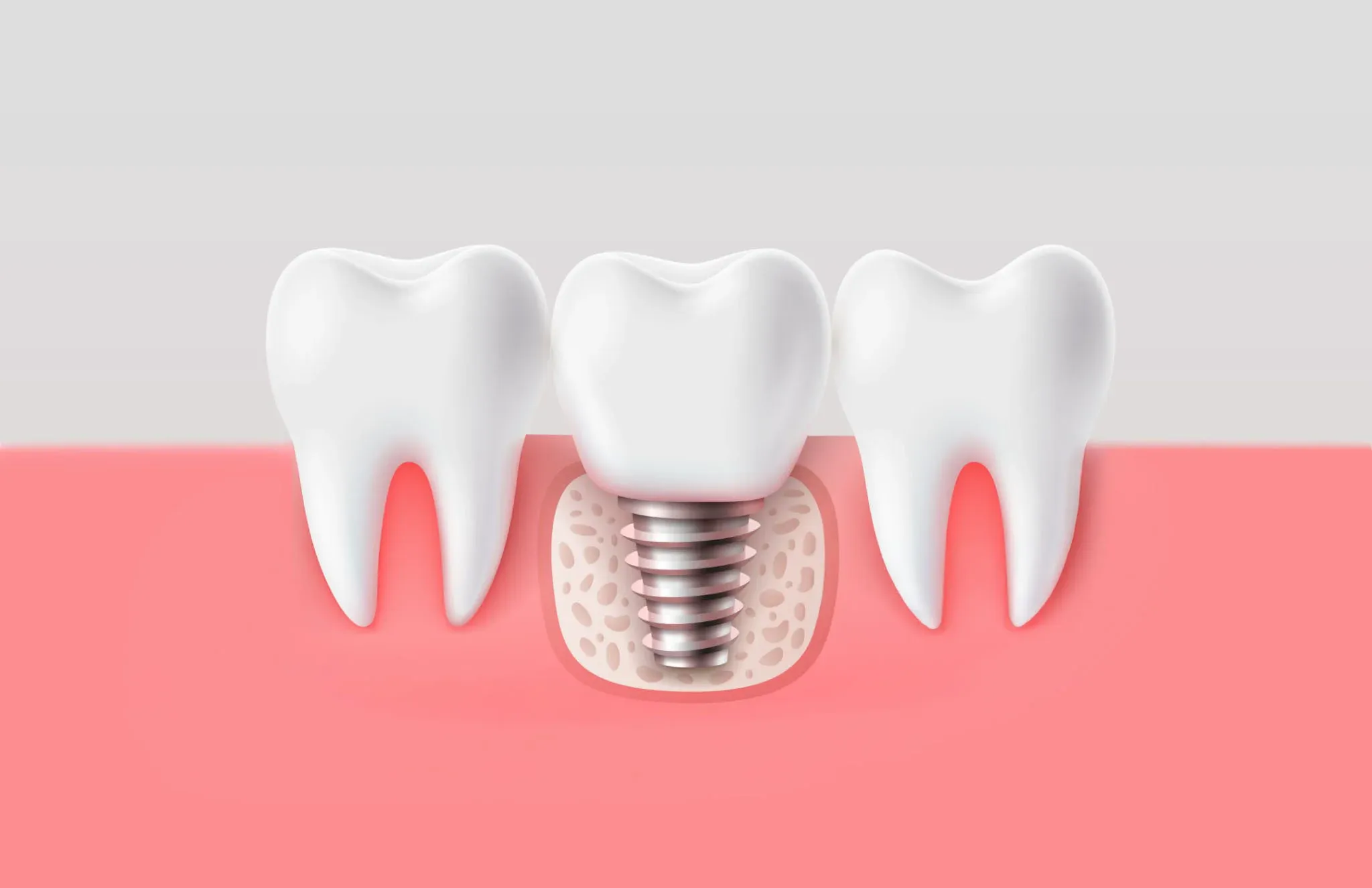
A tooth that stands on its own
When the teeth beside the gap are healthy
An implant replaces one missing tooth without reshaping the teeth beside it, and helps preserve the bone.
Learn more about single implants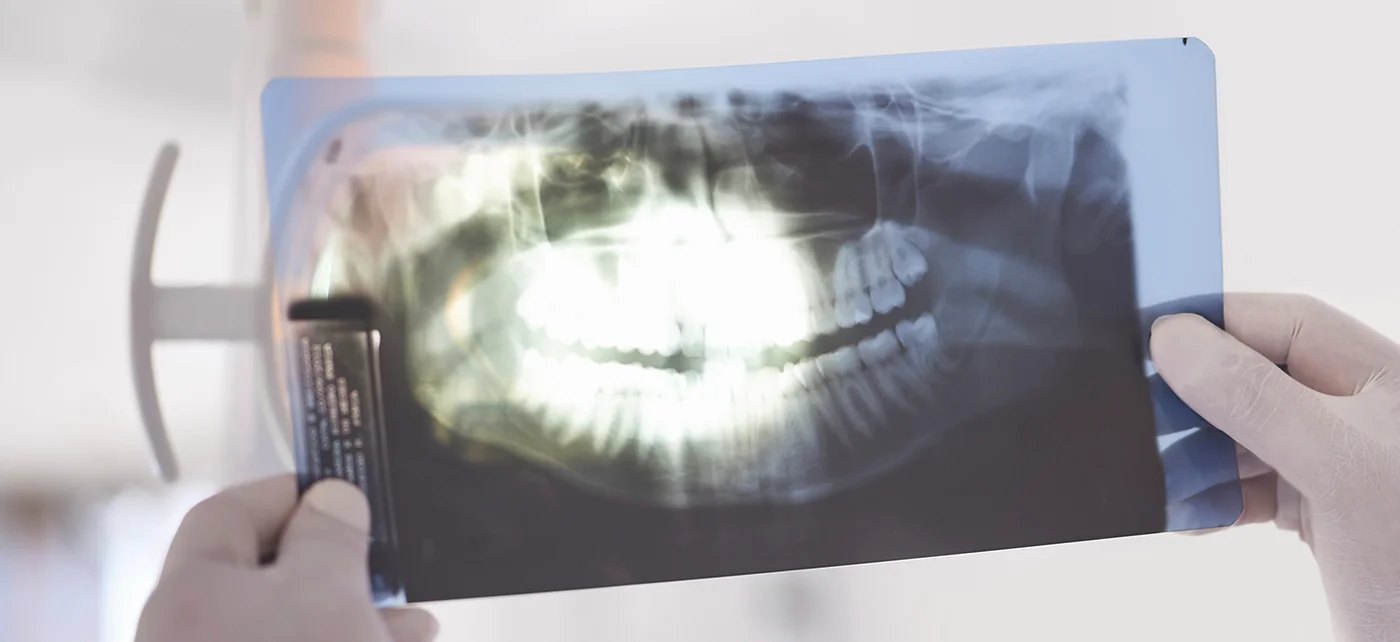
A tooth that has to come out first
When a tooth can’t be saved
We remove it gently, with sedation if you want it, then plan the replacement with you.
Learn more about extractions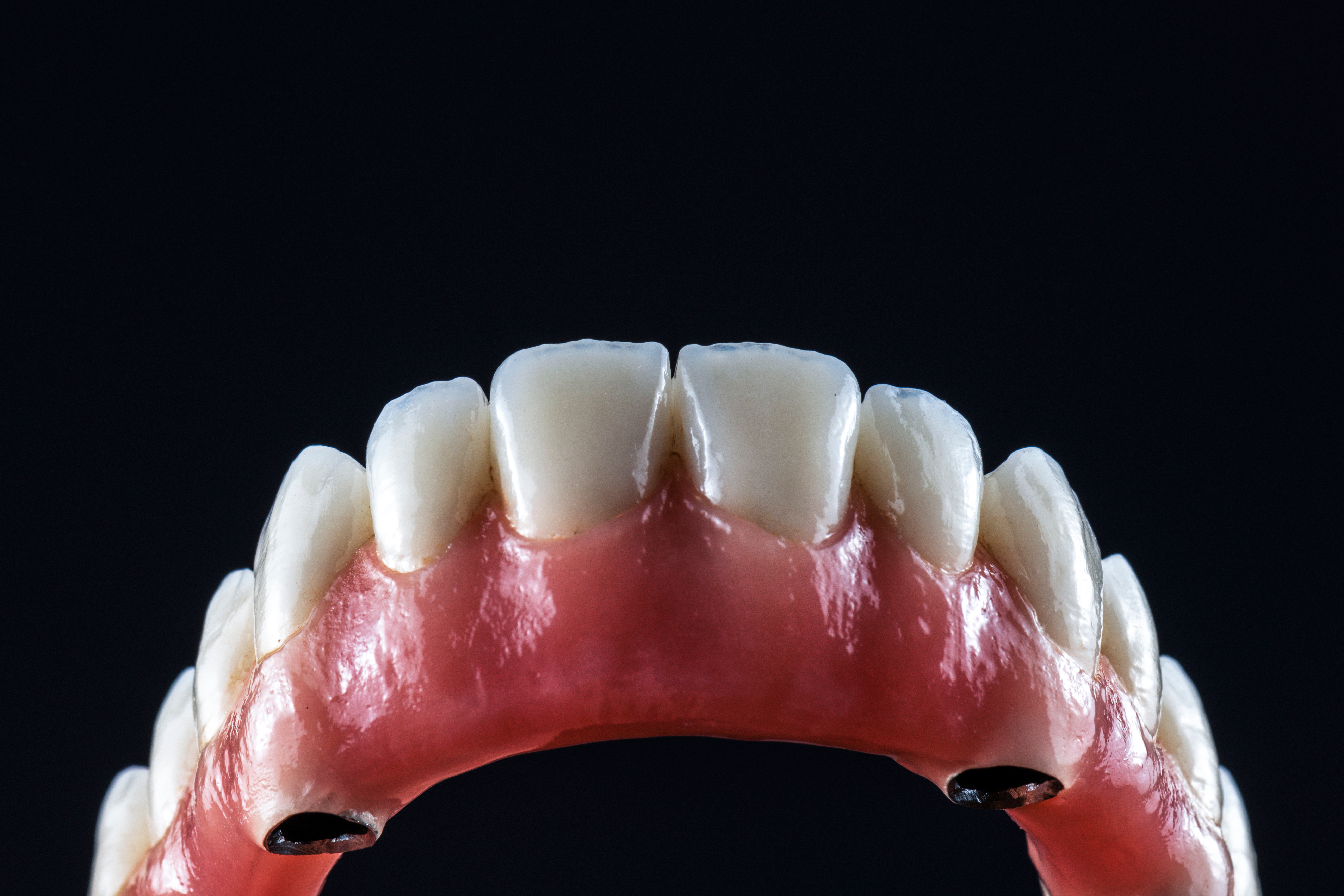
Most or all teeth missing
When a bridge isn’t enough
A full arch of fixed teeth can be held on four implants. See all our dental implant options.
Learn more about All‑on‑4“They do it all and they do it well. Dr. Pattani and his staff are friendly and delightful.”
How does getting a dental bridge work, step by step?
Getting a dental bridge takes five steps, from a close look at the gap to a bridge fixed in place and fitted to your bite. Your treatment plan tells you how many visits to expect.
Your exam
First visit. X‑rays and a 3D scan show the gap and the teeth on either side.
Your options
Before anything starts. A bridge, a partial or an implant, each in plain words with the cost.
Shape the teeth
Bridge visit. The teeth beside the gap are numbed and reshaped so the bridge can fit over them.
Fit and polish
Final fit. Your bridge is fixed in place, shaped to your bite and polished to feel like your own teeth.
Keep it healthy
Every day. Brush, floss under the bridge, and keep up your checkups every six months.
Is a dental bridge right for you?
A dental bridge is right for a gap between strong, healthy teeth that can hold it. These are the questions we hear most when patients are deciding.
Should I get a bridge or an implant?
A bridge or an implant depends on the teeth beside the gap and your bone.
A bridge is held by the teeth on either side, which are reshaped to hold it. An implant stands on its own, so those teeth stay untouched, and it helps preserve the bone. If the teeth beside the gap already need crowns, a bridge can make sense.
Should I get a bridge or a partial denture?
A bridge is fixed in place, while a partial denture comes out to clean.
A bridge fills a gap between strong teeth and stays in. A partial denture can replace several missing teeth, its clasps may rest on the teeth around it, and it costs less up front.
How many teeth can a bridge replace?
A bridge can replace one or more missing teeth in a row.
It needs strong teeth on either side to hold it. If many teeth are missing, a partial denture or implant‑supported teeth may suit you better. Your exam tells us which.
Do the teeth beside the gap need to be healthy?
Yes, the teeth holding a bridge need to be strong.
They carry the bridge every time you chew, so any decay or gum disease is treated first. If those teeth are weak, an implant or a partial denture may be the better fit.
Will my bridge look natural?
Yes, your bridge is made to blend in with your teeth.
The replacement teeth and the crowns holding them are shaded and shaped to match the teeth around them. If you’re planning teeth whitening, do it first, because a bridge won’t whiten.
What if I’m nervous about the visit?
A bridge visit starts with numbing, and you can tell us you’re nervous.
The teeth are numbed before we start. Plenty of patients feel anxious, often because of a bad visit in the past. Tell us when you book and we’ll talk it through.
What is it like after getting a dental bridge?
A dental bridge is fixed in place and shaped to your bite, so it feels like your own teeth. Here’s how to keep it strong for years.
The first few days
Some sensitivity to hot and cold is normal for a few days, and your bite may feel new. Both should settle on their own.
Eating normally
Once the numbness wears off, eat as usual. Go easy on very hard or sticky foods, which can strain a bridge.
Floss under it
Brush the bridge like your own teeth and floss under it every day, where food can collect.
Regular checkups
Every six months, so we can check the teeth holding your bridge and spot a problem while it’s small.
When to call us
If your bridge feels loose, a tooth stays sensitive for more than a few days, or your bite feels off. (847) 381-5958
Compare your choices
Replacing missing teeth: bridge, partial or implant?
For a gap between strong teeth, a bridge gives you fixed teeth without surgery, and it typically lasts 10 to 15 years.
A partial denture costs less up front but comes out to clean. An implant leaves the teeth beside the gap untouched and helps preserve the bone.
| Feature | Bridge | Partial denture | Implant |
|---|---|---|---|
| In your mouth | Fixed in place | Comes out to clean | Fixed in place |
| Teeth beside it | Reshaped to hold it | Clasps may rest on them | Left untouched |
| Helps preserve the bone | No | No | Yes |
| Daily care | Floss under the bridge | Take out to clean | Brush and floss as usual |
| Typically lasts | 10 to 15 years | 5 to 8 years | Decades, with good care |
| Upfront cost | Higher than a partial | Lower | The highest |
How much does a dental bridge cost?
The cost of a dental bridge depends on how many teeth it replaces and what the teeth beside the gap need. We go over your options and the exact cost at your visit, before any treatment starts.
Your dental bridge questions
Not on the list? Ask, and get an answer right here.
How long does a dental bridge last?
A dental bridge typically lasts 10 to 15 years. Flossing under it every day and checkups every six months help it last, and let us spot problems with the teeth holding it early.
Does getting a bridge hurt?
Getting a dental bridge usually doesn’t hurt, because the teeth are numbed first and you feel pressure rather than pain. Some sensitivity for a few days afterward is normal.
How many visits does a bridge take?
The number of visits for a dental bridge depends on the gap and the teeth beside it. Your treatment plan tells you how many visits to expect before anything starts.
Why replace a missing tooth at all?
A dental bridge or other replacement keeps the teeth around a gap from drifting and tilting into it, which over time can change your bite. It also makes chewing on that side easier.
Can a loose bridge be fixed?
A loose dental bridge can often be cemented back in place if the bridge and the teeth holding it are healthy. Call the office, and bring the bridge with you if it came out.
Can a bridge be held by implants?
Yes, an implant‑supported bridge holds several replacement teeth on implants instead of on your natural teeth. See all our dental implant options.
How much does a bridge cost in Barrington?
The cost of a dental bridge at Main Street Smiles in Barrington, IL depends on how many teeth it replaces and what the teeth beside the gap need. We go over the exact cost at your visit, before any treatment starts.
Does insurance cover dental bridges?
Insurance coverage for a dental bridge depends on your plan, and many plans pay toward bridges. We submit the claim for you, or ask about our dental plans if you don’t have insurance.
Reviewed by Dr. Amar Pattani, DDS, owner and lead dentist · Updated · Meet the team
Sources: ADA MouthHealthy: bridges; Cleveland Clinic: dental bridges.
Ready to fill that gap?
Your visit includes a close look at the gap, every option in plain words, and the cost, before any treatment starts. New to Main Street Smiles? Contact us with any questions first.