Peg lateral restoration
Fix a small, pointed tooth beside your front teeth. Right here in downtown Barrington.
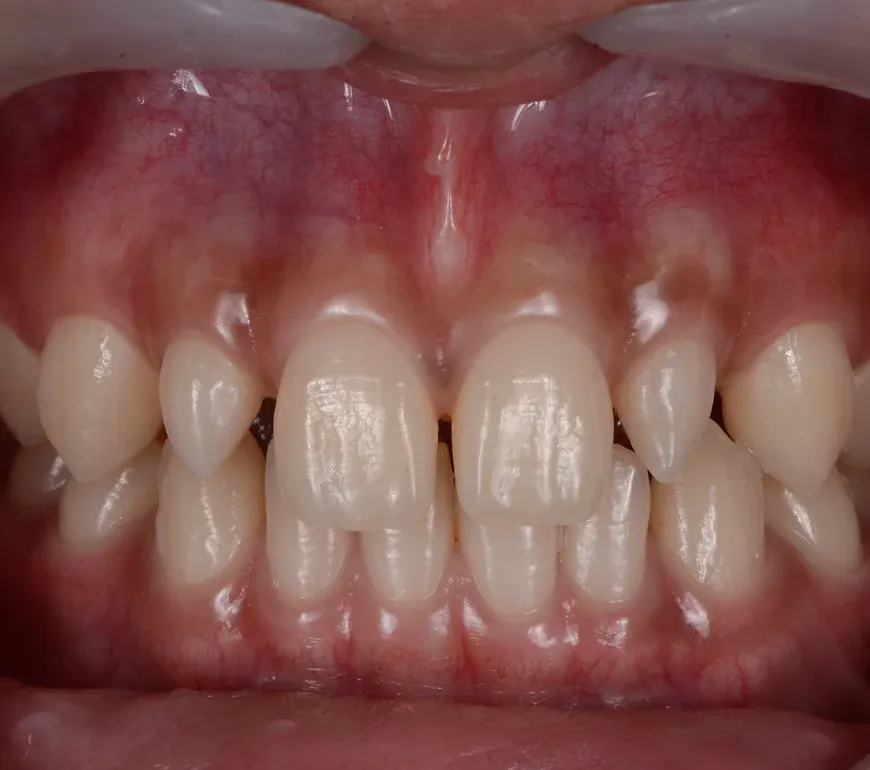
That tooth is called a peg lateral: it grew in smaller and more pointed than the one on the other side. We build it up with bonding or a porcelain veneer so it matches.

Why patients choose Main Street Smiles for peg lateral restoration
Matched to your smile
Size, shape and shade matched to the teeth beside it.
More than one option
Bonding, a porcelain veneer, a crown or orthodontics, chosen for your tooth.
Preview for veneers
If you choose a veneer, a wax‑up shows the result before anything is made.
Kids and adults
Bonding suits children and adults alike.
What is peg lateral restoration?
A peg lateral is a side front tooth that grew in smaller than usual, often narrow and pointed like a cone.
Peg lateral restoration rebuilds that tooth with bonding, a porcelain veneer or a crown, so it matches the size and shape of its neighbors.
Build it up in one visit
When you want a conservative fix
Cosmetic bonding is shaped by hand, right in the chair, and matched to your tooth. It suits children and adults alike.
Learn more about bonding
A porcelain veneer
When you want a longer-lasting finish
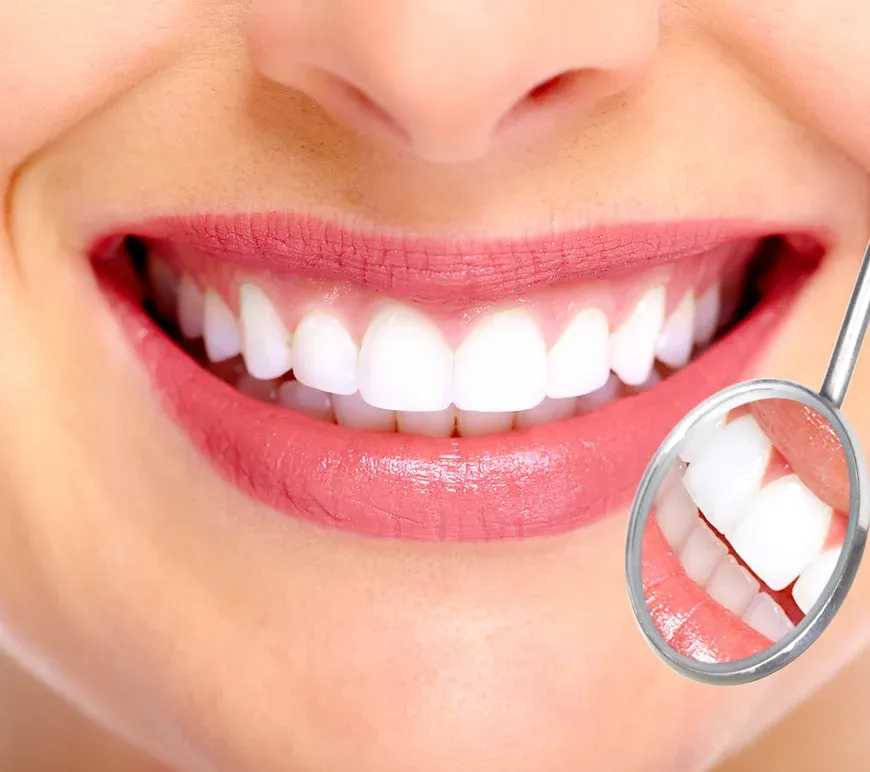
A thin porcelain shell reshapes the tooth, planned on a wax‑up you approve first and crafted by a renowned aesthetic lab.
Learn more about veneers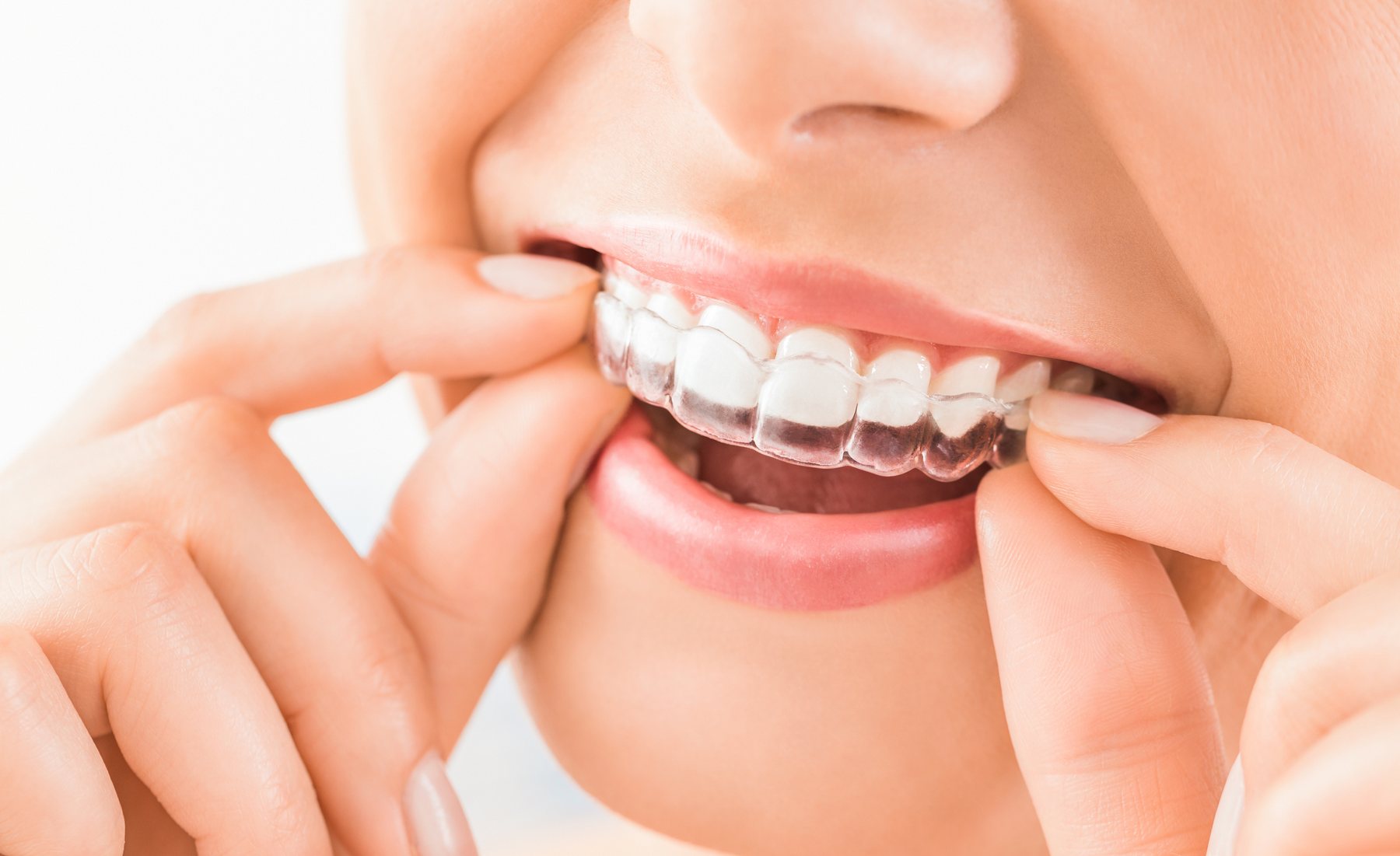
Spacing around the tooth
When the gaps need closing too
A small tooth can leave space beside it. Our in-house clear aligners can move teeth into place before the tooth is rebuilt.
Learn more about clear aligners“They do it all and they do it well. Dr. Pattani and his staff are friendly and delightful.”
How does peg lateral restoration work, step by step?
Peg lateral restoration starts with a consult, where we look at the tooth and the space around it and go over your options and the cost.
Consult
First visit. We look at the tooth and the space beside it, and talk through what you’d like to change.
Your options
Your plan. Bonding, a veneer, a crown or orthodontics first: we go over each option and the cost.
Pick your shade
Your choice. You pick the look you want, and we match it to the teeth around it.
Rebuild it
Treatment. Bonding is shaped by hand in the chair. A veneer is crafted by an aesthetic dental lab.
Finishing touch
Final check. We check your bite, make any small adjustments, and polish everything smooth.
Is peg lateral restoration right for you?
Peg lateral restoration is right for anyone whose side front tooth is small or pointed and who’d like it to match. These are the questions we hear most when patients are deciding.
Bonding or a veneer for a peg lateral?
Bonding is the simpler, lower-cost choice, and a veneer lasts longer.
Bonding is shaped by hand, usually in one visit, with little or no change to the tooth, and typically lasts 5 to 10 years. A porcelain veneer takes a few visits and typically lasts 10 to 15 years or more.
Do I need braces or aligners first?
Sometimes, if there’s extra space around the peg lateral.
If the gaps are wide or nearby teeth have drifted, moving them first can give the rebuilt tooth the right amount of room. We’ll tell you at your consult whether that would help.
Can a child’s peg lateral be fixed?
Yes, a child’s peg lateral can often be built up with bonding.
Bonding is suitable for children and adults alike, and it changes little or none of the tooth. A veneer or crown can come later if you want one.
What if both side teeth are small?
Peg lateral restoration works the same way for one tooth or both.
We match each tooth to the teeth beside it, so your smile looks even from side to side.
Is a peg lateral a problem for my health?
Usually not: a peg lateral is mainly a cosmetic concern.
The tooth itself is usually healthy, just smaller than usual. Restoring it is a choice about how you want your smile to look.
What is it like after peg lateral restoration?
There’s usually no downtime after peg lateral restoration. Here’s how to keep your restored tooth looking its best.
The first few days
A new veneer can feel a little different for a few days while your bite adjusts.
Protect it
Bonding and veneers can chip. Don’t bite your nails, chew pens or ice, or open packages with your teeth.
Everyday care
Brush and floss as usual, and keep up your regular cleanings.
Regular checkups
We check your restored tooth at your cleanings and can polish or touch up bonding if it wears.
When to call us
If bonding chips, a tooth stays sensitive for more than a few days, or your bite feels off. (847) 381-5958
Compare your choices
Bonding, a veneer or a crown for a peg lateral?
For most peg laterals, bonding is the simplest fix: shaped by hand, little or no change to the tooth, and often much less costly.
A porcelain veneer lasts longer, and a crown covers the whole tooth when it needs more than a new front.
| Feature | Bonding | Porcelain veneer | Crown |
|---|---|---|---|
| What it covers | Built onto the tooth | The front of the tooth | The whole tooth |
| Tooth preparation | Little or none | A thin layer reshaped | More of the tooth reshaped |
| Where it’s made | By hand, in the chair | At an aesthetic dental lab | Custom made for the tooth |
| Typically lasts | 5 to 10 years | 10 to 15 years or more | Many years with good care |
| Upfront cost | Lowest | Higher | Higher |
How much does peg lateral restoration cost?
The cost of peg lateral restoration depends on how the tooth is rebuilt: bonding is often much less costly than a veneer or crown. We go over your options and the exact cost at your consult, before any treatment starts.
Your peg lateral restoration questions
Not on the list? Ask, and get an answer right here.
What is a peg lateral tooth?
A peg lateral is an upper side front tooth, a lateral incisor, that didn’t develop to full size, so it’s small, narrow and often pointed. It’s a form of microdontia, which means a smaller-than-usual tooth.
How common are peg laterals?
Peg laterals are fairly common: most studies find them in about 0.8% to 8.4% of people. Tooth size is mostly determined by genetics.
How long does peg lateral restoration last?
Peg lateral restoration with bonding typically lasts 5 to 10 years, and a porcelain veneer 10 to 15 years or more. Either can be touched up or replaced when it wears.
Does peg lateral restoration hurt?
Peg lateral restoration with bonding usually doesn’t hurt, because little or none of the tooth is removed. For a veneer, a thin layer of the tooth is reshaped, and the area is numbed first.
How long does peg lateral restoration take?
Peg lateral restoration with bonding can often be done in a single visit. A porcelain veneer takes a few visits, from wax‑up to placement.
Will the rebuilt tooth look natural?
Yes, a restored peg lateral is matched to the size, shape and shade of the teeth beside it, so it blends in. For a veneer, you see a wax‑up first.
Should I whiten before restoring a peg lateral?
Yes, whiten before peg lateral restoration if you want a brighter shade. Bonding and veneers don’t whiten, so we match the rebuilt tooth to your new shade. See in-office whitening.
How much does peg lateral restoration cost in Barrington?
Peg lateral restoration at Main Street Smiles in Barrington, IL depends on how the tooth is rebuilt: bonding is often much less costly than a veneer or crown. We go over your exact cost at your consult, before any treatment starts.
Does insurance cover peg lateral restoration?
Insurance coverage for peg lateral restoration depends on your plan, and many plans treat it as cosmetic. Bring your insurance card and we’ll check, or ask about our dental plans if you don’t have insurance.
Reviewed by Dr. Amar Pattani, DDS, owner and lead dentist · Updated · Meet the team
Sources: American College of Prosthodontists: peg lateral incisors; Rathi et al., A multidisciplinary aesthetic treatment approach for peg lateral of the maxillary incisors, Cureus, 2022; Cleveland Clinic: dental bonding; American Dental Association, MouthHealthy: veneers.
Ready to even out your smile?
Your consult includes a look at the tooth, every option, and the cost, before any treatment starts. New to Main Street Smiles? Contact us with any questions first.